We have always said Garden Culture is more than a growing magazine; our social conscience drives our content. Although we are primarily a technical indoor growing magazine, we have always taken on critical social issues that involve food and politics.
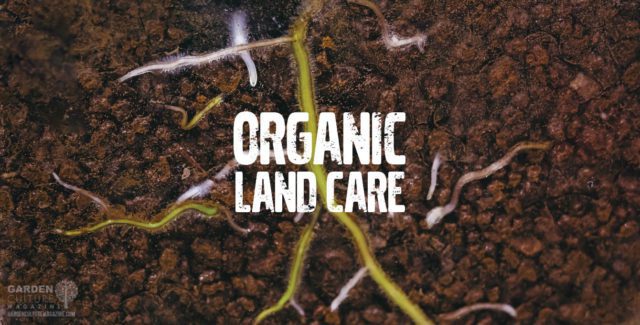
We have done several organic themed editions, and this time, we included Regenerative Agriculture. Somewhere along the road, commercial farming took a wrong turn. From monoculture and GMOs to the slurry of insecticides/fungicides they dump on our food and the soil it grows in, none of it is good.
This subject is as essential to our species’ long term survival as climate change. Many scientists believe that one of the only fundamental ways to reverse climate change is to put the carbon back into the ground. As it turns out, our writers are as passionate about the subject as we are. This edition might be a little light on gardening tips, but it offers a heavy dose of reality.
The road to recovery begins in our grow rooms, gardens and kitchens and ends where and how we spend our money on food.
Happy Gardening!
Regenerative agriculture is being touted as the solution to our climate problems. Martyna Krol explains how this movement applies to us all.
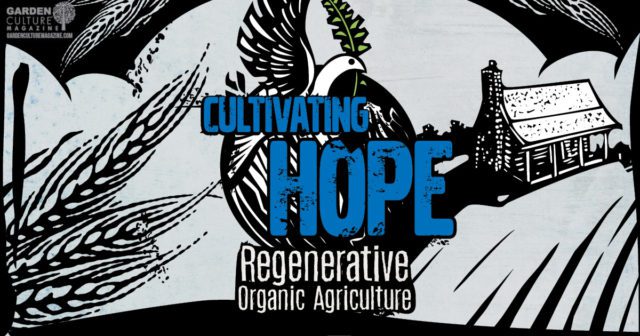
Regenerative Agriculture is the future, and it's simpler than you might think! Check out our list of 5 cool ways this natural growing method works.
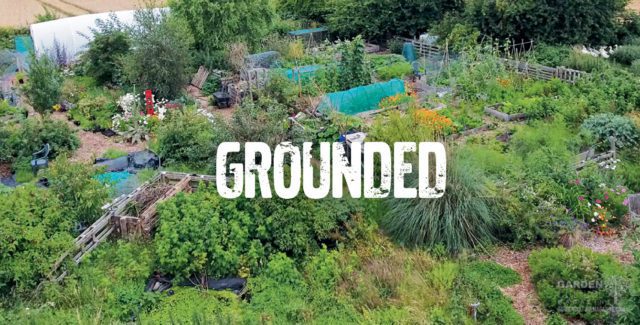
Inspiring! Liz Zorab, the author of Grounded: A Gardener's Journey to Abundance and Self-Sufficiency, talks about health and gardening with Catherine Sherriffs.
We know NPK is essential to plants, but did you know that calcium can help them better absorb these nutrients? Cody J. Garrett-Tait makes the case for calcium.
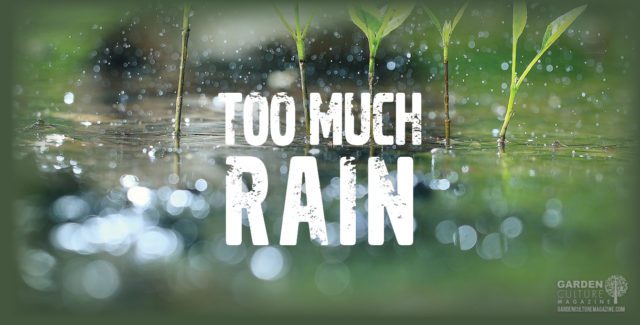
Drought can be a major issue in the garden, but so is too much moisture. Cody J. Garrett-Tait helps us protect our plants from becoming water-logged.
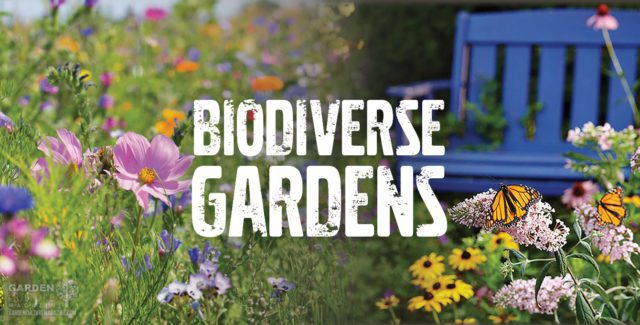
Biodiverse gardens do more than just improve pollination, harvests, and pest control. Anne Gibson explains how they benefit nature and humans alike.
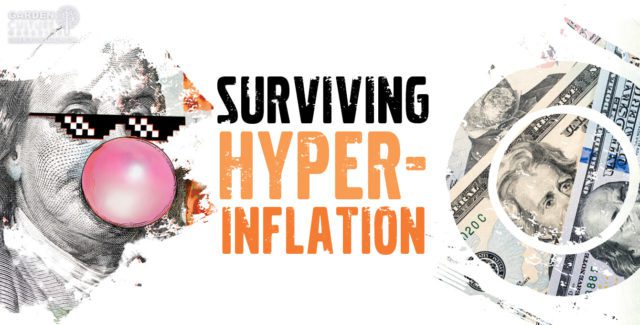
What does the future hold for the world’s financial system? If you ask Everest Fernandez, hyperinflation is coming. Here’s his guide to surviving it.
Heavy metals are polluting our environment and build up in the food chain. Dr. Callie Seaman writes about how plants are being put to use via bioremediation.
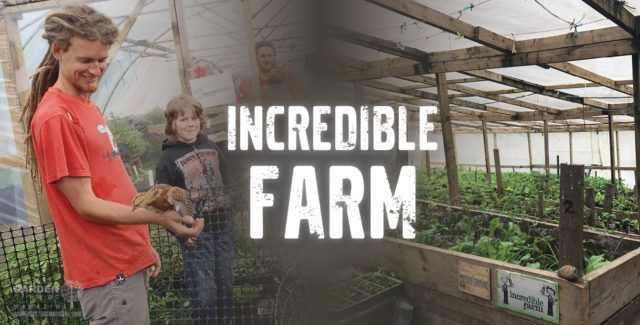
On rough terrain in the West Yorkshire Hills, Incredible Farm makes regenerative agriculture work. Alan Creedon shows us how this smallholding leads the way.
Environmental and human health are suffering; we’ve taken Nature out of agriculture. As Evan Folds writes, when it comes to growing food, we’ve lost our way.
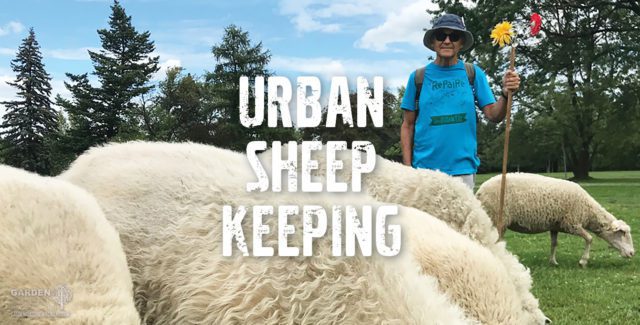
It’s an unusual sight in cities but it’s happening more often. Urban sheep and shepherds are popping up in many parks! Albert Mondor explains the benefits.
It all starts with the soil; that saying doesn’t only apply to gardens. Evan Folds says the way we treat soil reflects on how we treat ourselves and the world.
| Cookie | Duration | Description |
|---|---|---|
| cookielawinfo-checkbox-analytics | 11 months | This cookie is set by GDPR Cookie Consent plugin. The cookie is used to store the user consent for the cookies in the category "Analytics". |
| cookielawinfo-checkbox-functional | 11 months | The cookie is set by GDPR cookie consent to record the user consent for the cookies in the category "Functional". |
| cookielawinfo-checkbox-necessary | 11 months | This cookie is set by GDPR Cookie Consent plugin. The cookies is used to store the user consent for the cookies in the category "Necessary". |
| cookielawinfo-checkbox-others | 11 months | This cookie is set by GDPR Cookie Consent plugin. The cookie is used to store the user consent for the cookies in the category "Other. |
| cookielawinfo-checkbox-performance | 11 months | This cookie is set by GDPR Cookie Consent plugin. The cookie is used to store the user consent for the cookies in the category "Performance". |
| viewed_cookie_policy | 11 months | The cookie is set by the GDPR Cookie Consent plugin and is used to store whether or not user has consented to the use of cookies. It does not store any personal data. |