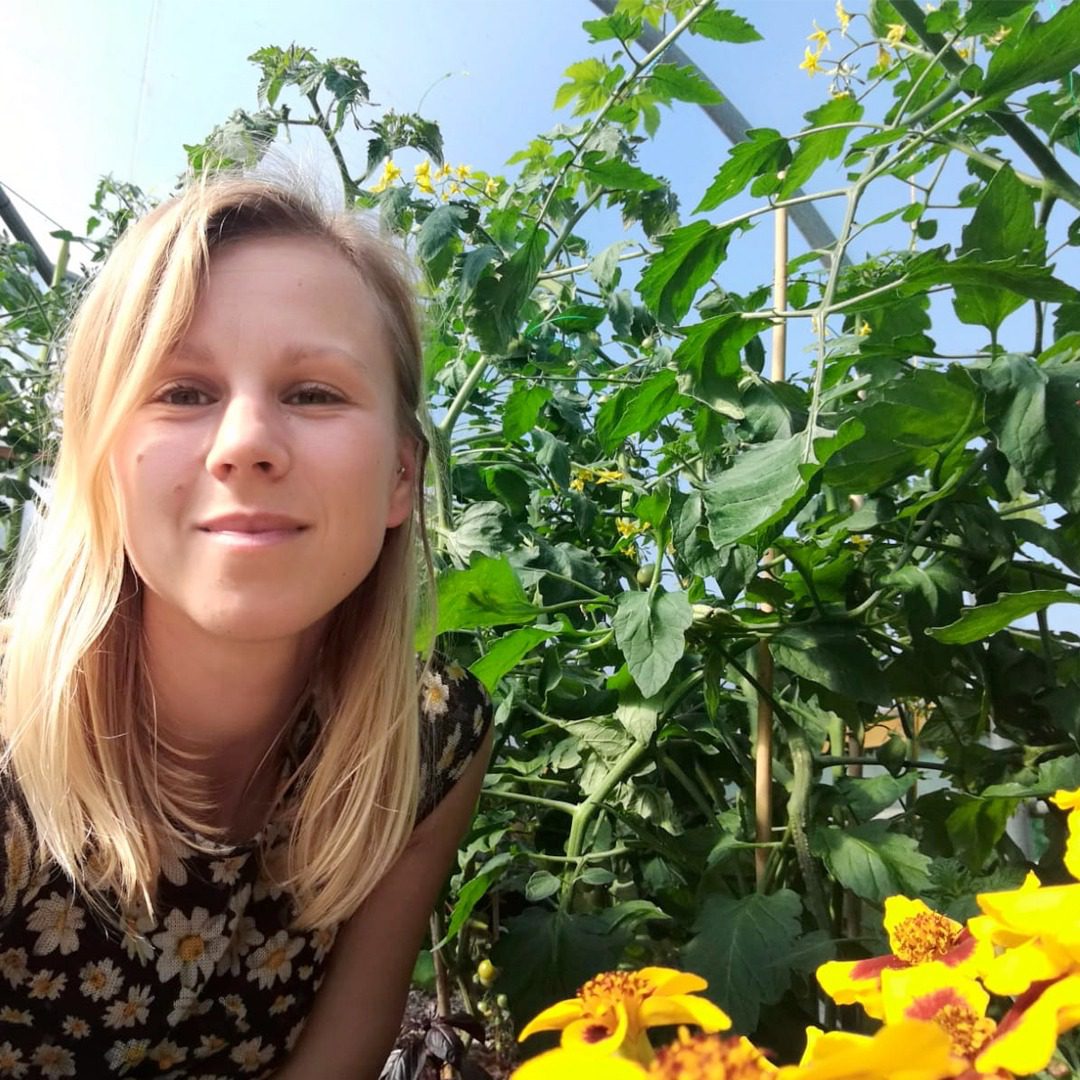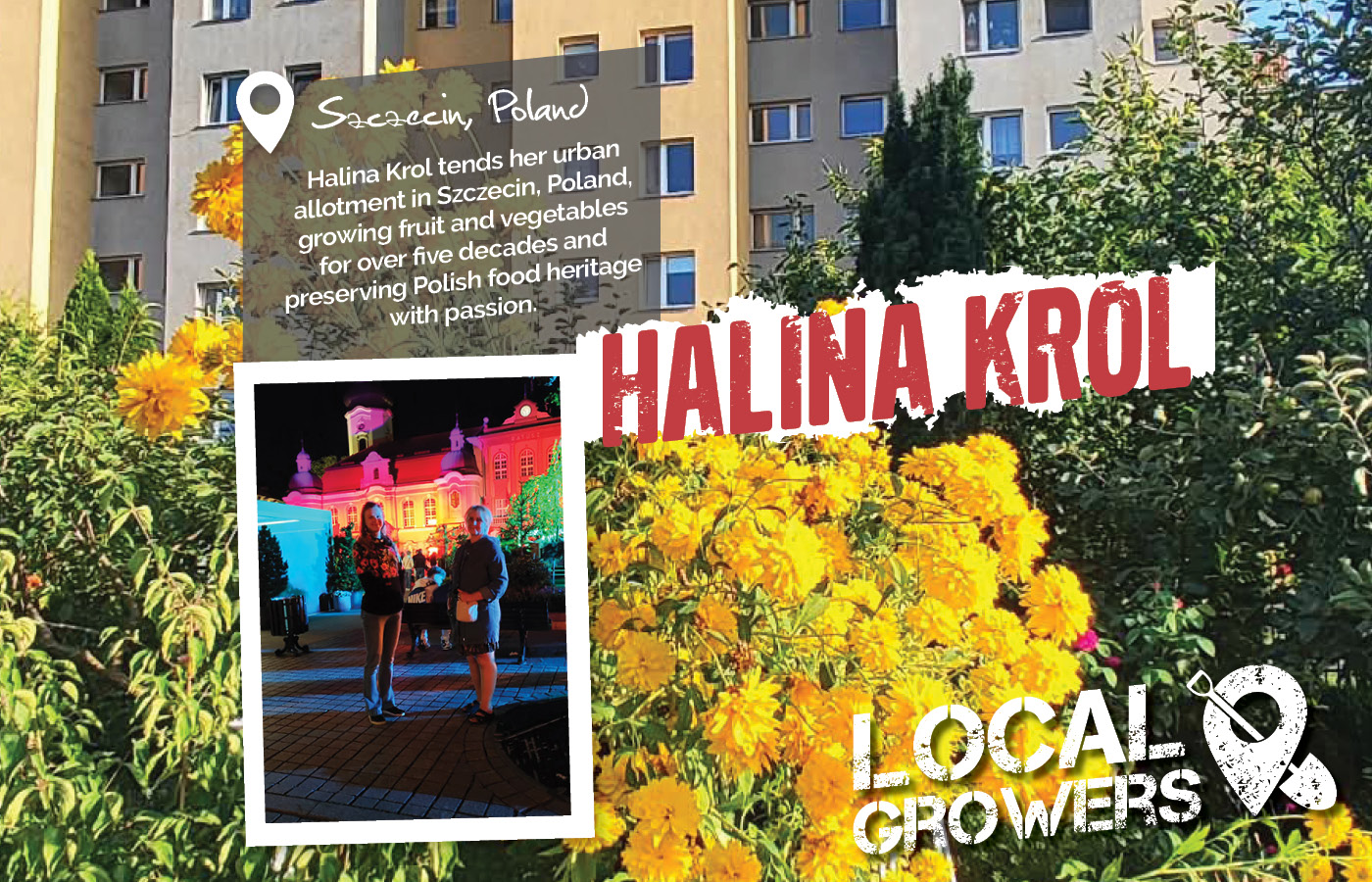
I have many favourite growers, but I’m biased about this one, who introduced me to home-grown food and fermenting. If it weren’t for her, I would not be here. Meet my Mum, Halina, who grows on her allotment in the middle of the urban jungle of Szczecin, the northwesternmost city in Poland.
Allotmenteering in Poland is truly a national heritage. Thanks to our history and geopolitical situation, for most of the previous century Poland was limited in developing large-scale agriculture — citizens were subject to rations, and cash wouldn’t buy much in the ’80s, not that there was much on the shelves anyway. An association of so-called Family Garden Plots (ROD) was created in Poland in 1897 and has survived two world wars. Today there are nearly 5,000 RODs across Poland, totalling around 44,000 hectares of land. My mum’s ROD is a one-minute walk from her flat in Szczecin — she can even see it from the kitchen window, because many of them are designed for citizens to use without having to travel far outside the city.
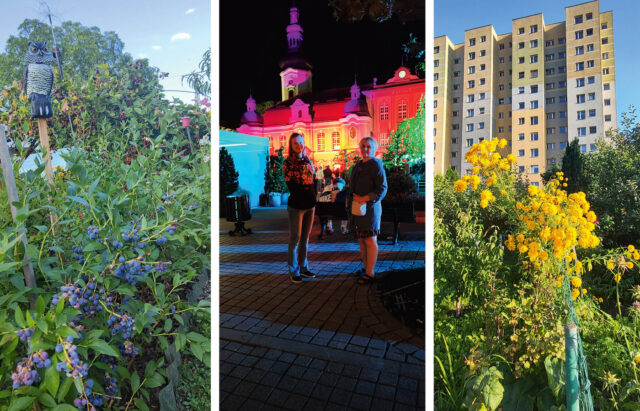
Halina has been growing since the ’70s, in our back garden in a rural town near the Polish seaside. There have always been fruit trees in the garden — first the big, old trees planted when the land was under German ownership before the war, slowly giving way to shorter varieties that were easier to reach. Growing food was always the staple of any Polish family when there was nothing available on the shelves, and our house was no different. I remember sweet cherries locked in a jar of syrup, sour cherries preserved the same way — sweet and sour at once — pears, apples, and three colours of currants, all either preserved in syrup or compote. The winters were full of preserved flavours: sweet, sour, tangy and spicy.
Five decades later, my Mum is still tending her allotment and stocking up the pantry with homemade goodies from the plot. Some varieties have changed — there’s a lot more exotic fruit, and tomatoes come in many shapes and colours. Essential Polish staples remain the same: parsley, horseradish (for fermenting!), beetroot, and gherkin cucumbers. There are grapes, Caucasian berries, and a big fire pit for those summer evening barbecues.
The reality of allotment gardening is often less glamorous than what Instagram wants us to believe. Still, the real flavours, memories, and experiences of growing in these unique spaces are better than any digital experience we can scroll through.
Dziękuję, Mamo — for teaching me that the best things in life are grown, not bought.