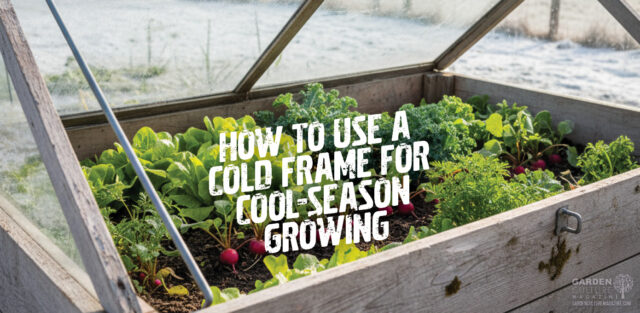
A cold frame makes gardening year-round possible, even in colder regions.
In The Winter Harvest Handbook, Eliot Coleman says a cold frame is like moving your garden 500 miles south; it creates an environment one and a half zones warmer than where you live.
Having a cold frame means you can plant seeds earlier in the spring, and grow and harvest crops in the winter. They are easy to use and pay dividends in an ongoing winter harvest of sweet salad greens and vegetables.

What is a Cold Frame?
Cold frames are boxes built with an open bottom and a solid, clear top. By capturing and concentrating the sun’s rays, they create a microclimate that keeps plants protected and warm during the colder fall, winter, and early spring months.
They are easy and inexpensive to build using recycled materials, such as wood, cinder blocks, brick, or straw bales. Built higher at the back than the front, they perform optimally when they are placed facing south to maximize the sun’s heat. The removable lid can be made from glass, recycled old windows, clear shower curtain liners, or polyurethane stretched over the frame. Whatever you use, make sure it keeps the box sealed.
How to Start Seedlings in a Cold Frame
Having a cold frame can replace the need for heated seed trays and grow lights. Early-season crops that tolerate cold temperatures, such as kale, spinach, chard, peas, arugula, and bok choy, can be seeded directly into a cold frame up to four to six weeks earlier than if seeded directly into the ground. In some places, this can mean as early as mid-January! Sow the seeds directly into the soil inside the cold frame or in seed trays.
Most seeds germinate in soil that is around 70°F (21°C.). If the cold frame is too cold, cover the clear lid to conserve heat. Keeping the cold frame lid slightly ajar on warm, sunny days helps with airflow and prevents moisture from accumulating and rotting the seedlings. Just remember to close the lid before temperatures dip at night. As spring temperatures increase, keep the frame open longer until the seedlings are at least four to six inches tall and ready to be transplanted into the garden.

How to Use a Cold Frame in Fall and Winter
A cold frame is the star of the garden throughout the fall and winter. Late-season crops, such as broccoli and Brussels sprouts, are ideal for growing in a cold frame. Even root vegetables such as beets, radishes, and carrots will grow in a cold frame during the winter. They may take a little longer to reach maturity.
Plant them all in early fall, and on warm days, leave the lid open. However, once the temperatures drop below 5°C (approximately 40°F), keep it shut. On freezing nights, cover the cold frame with a blanket to help retain the heat. Remove the cover on sunny days so the cold frame can warm up again in the sun.
The rest is easy: harvest crops as they mature and are ready for harvest!


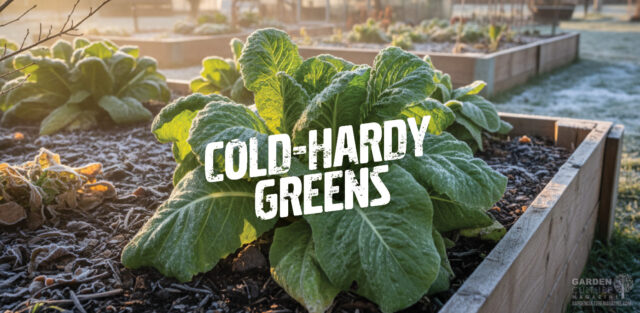
5 Cold-Hardy Greens and How to Grow Them for a Winter Salad
You can grow food at home year-round as long as you choose the right crops! Here’s a list of five cold-hardy greens and how to grow them for your winter salads.
Leave the Logs! Building a ‘Dead Hedge’ Boosts Biodiversity
Brush and log piles aren’t a sight for sore eyes; they’re low-cost barriers and fencing options bursting with biodiversity! Here’s how to build a dead hedge.

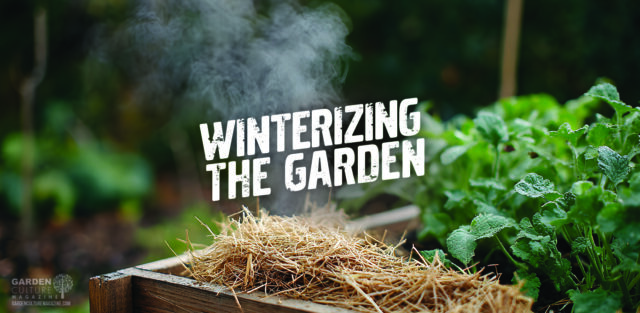
Prepare the Garden for Winter
It’s time to put the garden to sleep for winter! This guide will help you create a checklist of chores, from removing debris and amending the soil to mulching.