Yes, this edition is jam-packed with fantastic growing advice. The thing is, you can never have enough pro gardening tips, and that’s why we’re letting the good times roll with a list of 5 Cool Ways the Pros get the Most from their Grows. We’ve asked some of our expert gardeners, growers, and regular contributors to share some final words so that you can get back to your plants feeling confident as hell.
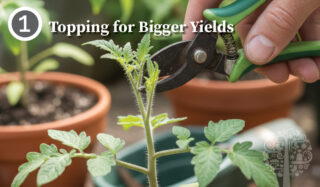
Topping for Bigger Yields
“Want to have more robust plants with higher yields? Let’s talk about topping,” says Dustan McLean, one of our regular writers. Topping is a high-stress training technique typically used by more experienced growers to push their plants to reach their maximum potential. It involves removing the top of the main stem to block hormone flow and force the plant to redistribute its energy to lower branches. The plant will take up to a week to recover from this technique before launching into rapid growth; new branches or colas will form along the main stem, creating a uniform canopy and more fruiting sites. Topping works on a wide variety of plants; try it on vegetables, fruits, and herbs! “One of the easiest ways to increase your crop yield is topping your plants,” Dustan promises.
Being Present
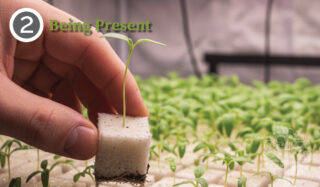
One of the cornerstones of Integrated Pest Management is to take time each day to walk through the garden or grow room and take note of any changes in your plants. This is one of our favourite things to do because it gives us an excuse to take a break and connect with nature! Regi Oneton of the ‘Dirty Old Gardener’ series is all about being an attentive parent to his plant babies. “You want my top growing advice? First, be present enough to offer proper care and be tenacious enough to survive the pitfalls; the rest is all background noise,” he says. The more in tune you are with your garden, the sooner you’ll notice any potential problems, giving your plants a better chance at survival. In case you’re wondering, Regi’s tip applies to many facets of life. “The same advice works for children, pets, and girlfriends.” Good to know.
FOCUS
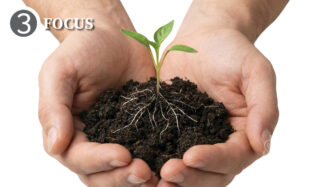
Xavi Kief loves a good acronym (who doesn’t?), and using them in the garden is no exception. Xavi is an excellent grower who actively seeks connections with communities, whether human or microbial. Their pro growing tip is to FOCUS:
- Formality: Put your procedures and any agreements in writing.
- Objectivity: Use third-party auditing or testing to verify your work.
- Care: Give a darn about what you’re doing and how you do it (or do something else).
- Understanding: Make learning about your chosen crop and factors that can influence its success an ongoing priority.
- Support: Pros support one another through peer-to-peer problem solving, resource sharing, and by holding one another accountable.
A little FOCUS can go a long way in the garden and grow room; we recommend following this acronym to a T.
Less is More
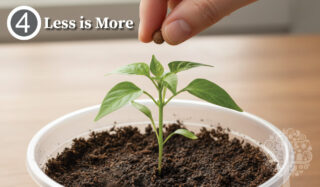
We live in a society where many emphasise that more is better, and Garden Culture contributor Av Singh says this philosophy can spill into our horticultural practices, too. Excessive fertiliser applications, for example, are costly and can damage the environment. “As with most things in life, there is an optimal balance, and when we exceed those limits, we create other problems,” Av says. He explains that magnesium (Mg) deficiencies result from either too little Mg or too much calcium, potassium, or sodium. They can also be caused by an excess of available Mg, which causes plant cell walls to limit the uptake if there’s too much in the root zone. “The emerging market growth of biostimulants may provide an increased acceptance of the ‘less is more’ principle, as many biostimulants like kelp, humic acid, and beneficial microbes often work better with lower concentrations than they do when applied in excess,” he explains. With one of this year’s predicted gardening trends being a shift to simpler ways, Av’s advice seems spot on.
Growing with TLC
Any expert will tell you to grow what you love. If you don’t like to eat a particular food, don’t waste your time, energy, and resources growing it. Garden Culture’s Martyna Krol can’t help but agree; she believes that all things we do in the realm of plants should begin with love. The garden is a place for positivity and leaving toxicity behind. If you do something because you feel you have to, you’ll feel uninspired, and the result will likely fall short. “Creating from the energy of love brings better results,” she says. “For example, growing flowers that make your heart smile vs what’s trendy on Instagram. Making a wonky wreath you’re proud of vs a perfect one that wrecks your nerves and your pocket. Telling your poorly plant you love it even if your Mum told you to get rid of it. The vibration of love is felt in your garden and repays tenfold.” Beauty is in the eye of the beholder. Make your garden your happy place, do what you love, and great things will come.