We’ve already told you to stop raking leaves in the fall. Neglecting this traditional chore helps pollinators, native insects, frogs, and more to find winter shelter. Now, we’re levelling up and suggesting that the pile of brush you’ve got going in the yard stays put! No need to cart it away or burn it; we’re scratching one job off the list at a time, and everyone and everything – you, your gardens, and the local ecosystem – is happy.

How to Make a Habitat for the Local Ecosystem
You don’t need acres of forest to create a habitat for small creatures, invertebrates, and native insects. If you have a property with some trees, then you already have what it takes. If you live in a space with just a small patio, you can still help by building an insect hotel!
Leave the Logs!
My house is surrounded by forest, so we’ve taken down any dead trees that have fallen along with branches and leaves, and simply piled them neatly in various corners of our property. It doesn’t require a lot of work or planning, but it offers a major boost to the local ecosystem.
These brush piles attract a wide range of critters, providing them with food and shelter for the winter. Insects and other small critters will make a home in the piles, and the local bird population will also pop by for the occasional snack.
When the snow melts in the spring, beneficial bugs and other creatures emerge, ready to help the native plants growing in the garden and contribute to your local biodiversity, which is a cornerstone of regenerative gardening and permaculture practices.

Building a Dead Hedge
If random log piles aren’t your jam, consider making a dead hedge instead. A dead hedge is made with woody materials like logs, branches, garden prunings, and more. Set up sturdy vertical stakes in the ground in the shape of a rectangle or square. Then, weave all the debris together to form a tight-knit barrier. The final result should look like a neat, woody hedge. Make no mistake that although the hedge is ‘dead’, it’s bursting with life!
A dead hedge is an excellent way to reuse garden waste and is a low-cost fencing option for providing privacy or marking property lines. It provides shelter and foraging sites for local wildlife and serves as a nesting site for birds. Continue to add to the hedge anytime you have garden debris or fallen branches and leaves.
If you don’t love the look, you can always plant climbing vines at the base to add a pop of color to the area.
Biodiversity and Soil Improvement
Besides offering a helping hand to the local ecosystem, as the logs, branches, and prunings decompose, the soil underneath is improved, which helps regenerate the land and bring new life to our spaces.
By taking the ‘lazy’ route and simply piling forest brush and garden debris, you’re creating a healthier habitat and ecosystem for your garden.


Cultivating Intention and Slowing Things Down in the Fall Garden
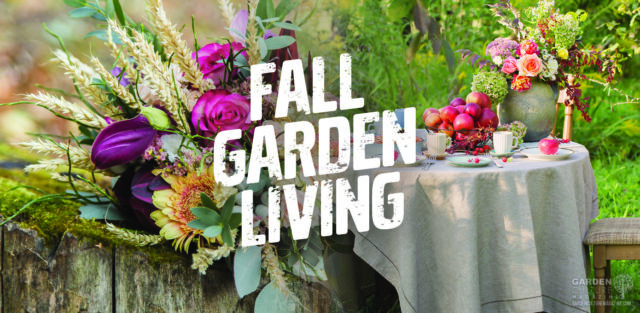
As we say goodbye to summer and prepare for winter, it’s important to take a beat and look to the fall garden for inspiration and ways to live more sustainably.
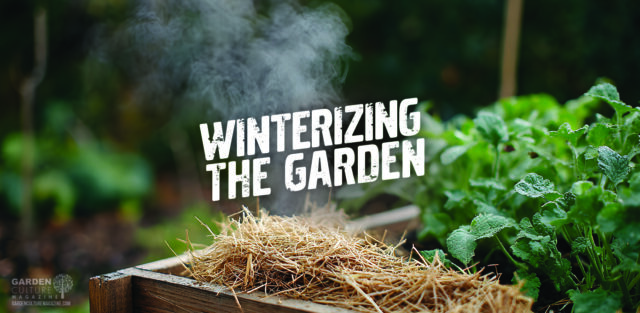
Prepare the Garden for Winter
It’s time to put the garden to sleep for winter! This guide will help you create a checklist of chores, from removing debris and amending the soil to mulching.
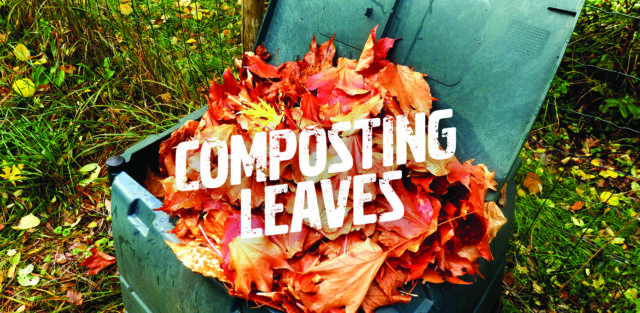
How to Compost Leaves in Fall
What to do with all those fallen leaves? Turn them into leaf mold! This easy process creates a supercharged compost for the garden, free of charge.