According to Food Banks Canada, in March 2024, there were over 2 million visits to food banks in Canada. In the U.S., 47 million people lived in food-insecure households in 2023. The idea of growing a “giving garden” is not new. In 1995, Garden Communicators International launched the Plant a Row for the Hungry campaign, encouraging gardeners and groups across the United States to donate a row of garden-grown produce to service organizations. To date, over 20 million pounds of produce have been donated.
You don’t have to be part of a community garden or garden club to share the bounty of the harvest; anyone can grow a “giving garden.” Here are a few tips.
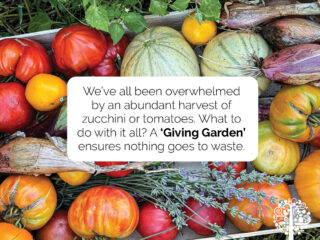
Go online, email, call, or visit a food bank or pantry near you and ask if they accept homegrown garden produce. Most food banks do, but if one doesn’t, try another. Find out first before spending time and effort on delivering your harvest. If you don’t have a food bank or food pantry in your area, see if local places of worship, preschools, or senior meal programs will accept produce from your giving garden. Many have outreach programs and are happy to accept garden-grown produce.
Some places may take tomatoes or lettuce, while others prefer carrots, squash, potatoes, beets, garlic, onions, or apples, which can be stored and easily handled. Knowing this will also help you plan what to grow in your “giving garden.”
Most food pantries have set times for drop-off of food donations and deliveries. During these times, they ensure staff and volunteers are available to streamline and store the produce properly. Knowing this will save you and them time.
Don’t donate poor quality, unwashed, or overripe produce that has sprouted, is bruised, cracked, damaged, or diseased. It won’t last and will become food waste. It is better to put this produce into your garden compost. Label everything – no one wants to guess between Swiss Chard or bok choy and be wrong. Find out how the food should be donated, for example, should you bring it in recyclable boxes or something else?
Although you can dedicate an entire garden to others, a row, a patch, a raised bed, or even a small container of kale or collard greens can become a giving garden. An apple tree can become a giving tree. A bag of 24 apples means a family of 4 each has a fresh apple for six days.
A good rule of thumb is to keep it simple. Grow culturally appropriate and familiar produce for everyone: peas, onions, garlic, peppers, corn, squash, lettuce, and tomatoes are universal in many food traditions. These foods are also high in nutrients and don’t require much effort to grow.
When the ground warms to 10°C, you can plant peas, beans, and kale. Once the first group is harvested in early summer, replant for a September harvest. This succession planting will ensure a small crop can be donated every two or three weeks throughout the growing season. Familiarize yourself with the community and make a difference to those in need!

Creating a garden that lives 100 years is possible and easier than you might think. It all comes down to proper perennial plant selection!

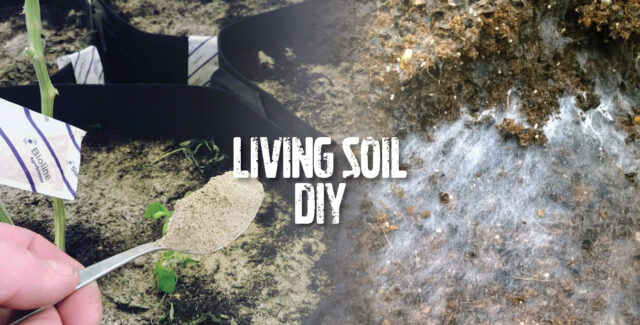
What’s in a good living soil mix, and how does it work? In the second part of this series, we’ll help you build the ultimate growing mix.
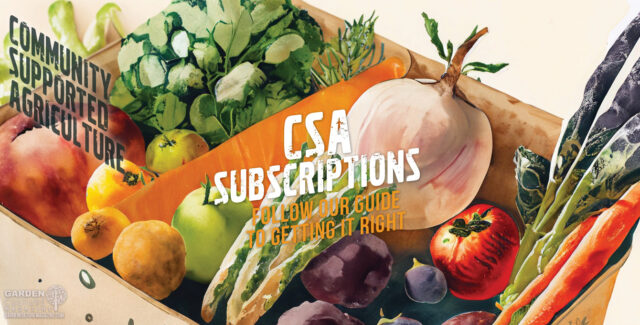
Are you looking for a CSA box subscription? CSAs are an excellent way to eat well through the seasons and support local farmers. Our guide will get you started!
As a follow-up to World Soil Day, Jennifer Cole chats with soil expert Lewis Fausak, author of a children’s book that encourages falling in love with soil.