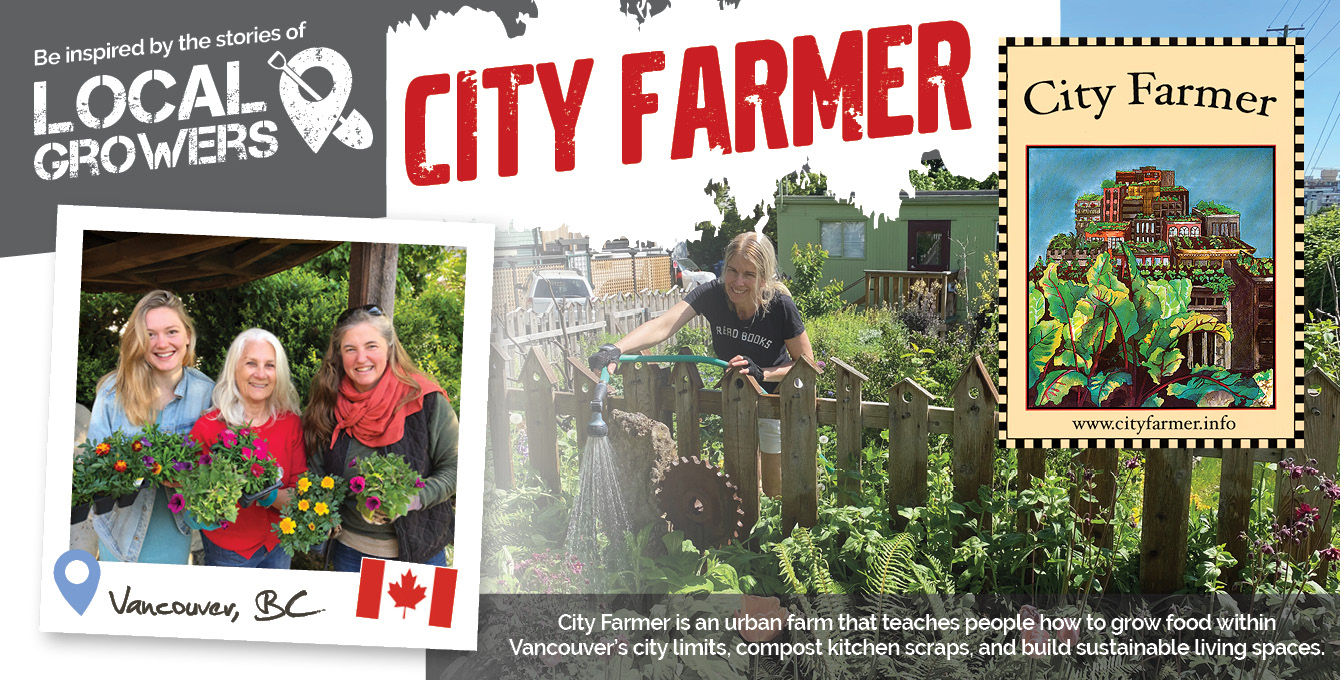
City Farmer has become an institution in Vancouver, British Columbia, with a wholesome, forward-thinking mission. Since 1978, the urban farm has taught people how to grow food within city limits, compost their kitchen waste, and build sustainable outdoor living spaces. It encourages people to replace their lawns or transform their flat rooftops with something they can eat. City Farmer’s message has been the same for over four decades. It will undoubtedly remain relevant well into the future, so the City Farmer team puts a lot of effort into its teaching, inviting people from near and far to come and visit and learn if the opportunity arises.
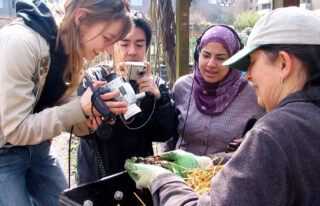
The Demonstration Garden is a lush teaching space unique to the city. It spans a quarter of an acre in Vancouver’s Kitsilano neighborhood and features five different garden areas.
Of course, composting is at the heart of City Farmer’s work, so the team has diligently tested many composters over the years and has hands-on experience to share with those interested in making black gold for their gardens. In addition to sharing knowledge, a basket or two of harvested organic produce is donated every week throughout the growing season to the Family Place, a charity helping families in need.
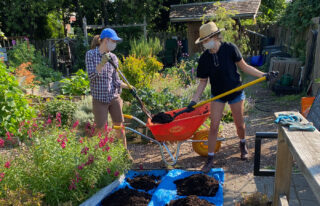
City Farmer is a beautiful initiative that serves as a model for cities worldwide. Growing food close to or at home is possible, and living sustainably is within reach. The staff at City Farmer is eager to spread the good word and teach good growing practices; garden tours are available six days a week.

Check out their urban farming news site: cityfarmer.info
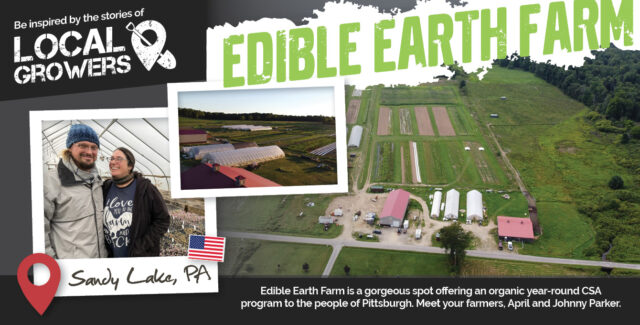
Edible Earth Farm is a gorgeous spot offering an organic year-round CSA program to the people of Pittsburgh. Meet your farmers, April and Johnny Parker.
City Farmer is an urban farm that teaches people how to grow food within Vancouver’s city limits, compost kitchen scraps, and build sustainable living spaces.

Growers are using the Early Topping Technique to boost flower production in a shorter amount of time. Dustan McLean explains how the ETT has helped his crops.
Technology can be used for good, and the world of plants is no exception. Here are five incredible ways tech and AI improve how we grow and help the planet.
Flowers and vegetables are the perfect companions, so why not make your blooms edible? Anne Gibson tells us which flowers are delicious and medicinal.

How valuable is artificial intelligence in the garden, and would you use it in yours? Haley Nagasaki explores the use of AI in Canadian cannabis operations.

What will humans eat if we ever live on Mars? Jennifer Cole talks to the authors of Dinner on Mars, who remind us never to take food production for granted.