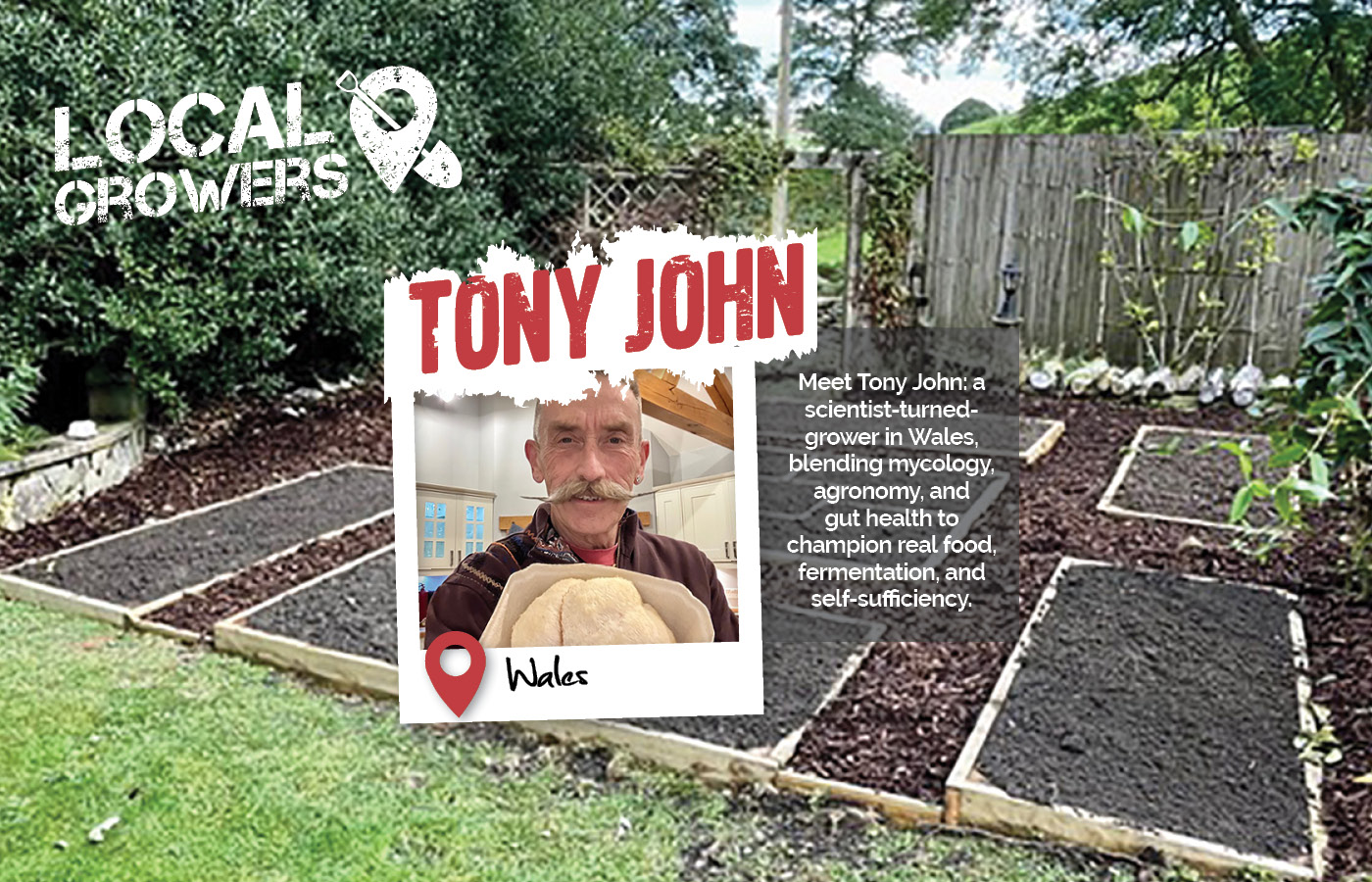
There’s something quietly radical about a man with a PhD in fungal contamination of food grain choosing to spend his days growing salads at 1,000 feet in mid-Wales. But then again, Tony John has never taken the straight road when the interesting one was available.
He grew up on the South Wales coast, where his father grew veg, his mother foraged blackberries and damsons for jam, and the family ate with the seasons as a matter of course. Potatoes went into bags, onions were plaited and hung, beans were blanched and frozen, and apples were wrapped in tissue and stored in the garage.
”I guess my love of food stems from that,” he says. “Helping my parents grow, store, and preserve.”

That early instinct eventually led Tony through a degree in Biomedical Sciences, a doctorate studying mycotoxins in post-harvest grain across Africa, Bangladesh, and India, and then into a long career in agronomy — working directly on UK farms, advising on soil health, and later helping global start-ups bring precision agriculture technologies to British fields: satellites mapping weeds and disease, autonomous robots zapping problem plants, and LED wavelengths altering the nutritional profile of hydroponically grown food. Tony has seen the future of farming from several angles.
These days, his focus has sharpened around something more fundamental: the gut microbiome. Having watched the food industry prioritise calories over nutrition and ultra-processed convenience over real food, Tony analyses his own gut biome regularly, adjusting what he eats and tracking the results. The changes, he says, have been revolutionary. It was this conviction that brought him to fermentation — and to my Skool community, where he’s been putting traditional preservation techniques to impressive use. For someone with his background in microbiology, lacto-fermentation isn’t a trend; it’s science with deep roots, and he’s taken to it with real enthusiasm, which I am grateful for.
Up in the Elan Valley, growing at altitude comes with constraints. The last frosts linger into early June, and the first arrive by September. The growing window is short and unforgiving. But salads, brassicas, beans, and mushrooms thrive in the climate, keeping Tony self-sufficient from June through February — a quiet achievement that would have impressed his dad. From the Welsh coastline to the hillside, by way of mycology, agronomy, and gut science, Tony John is proof that the most interesting growers find soil via the longest, most unlikely routes.
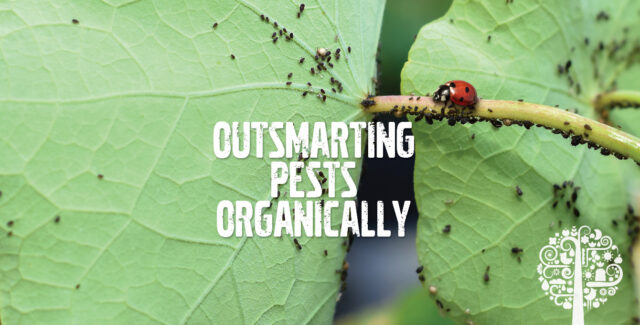
Integrated Pest Management is more than pest control—it’s a holistic approach to creating thriving, balanced garden ecosystems naturally. A.C. Moon explains.
5 cool ways to outsmart garden pests naturally with organic pest control strategies, beneficial insects, smart watering, and Integrated Pest Management tips.
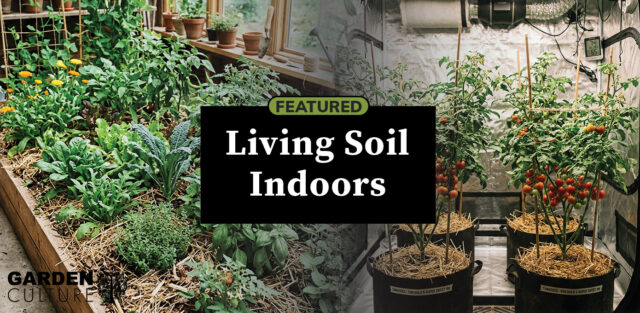
Living soil indoors can thrive with the right balance of biology and control. Learn practical strategies for cover crops, chop-and-drop, mulch, and no-till.
There's something quietly radical about a man with a PhD in fungal contamination of food grain choosing to spend his days growing salads at 1,000 feet in mid-Wales.

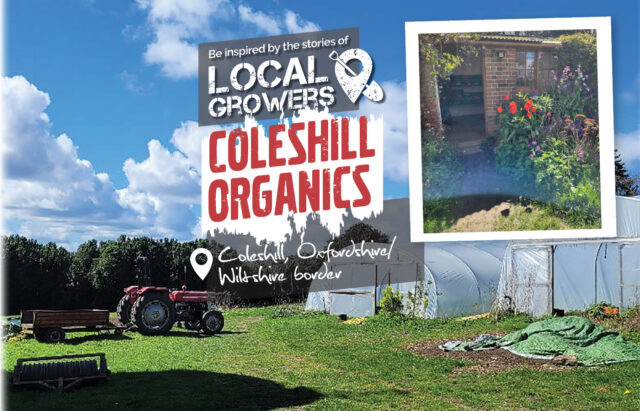
Some places have a quality that's hard to put into words — a sense that the land and the people tending it have arrived at an understanding. Coleshill Organics is one of them.
Explore the Wild & Free Garden philosophy: build community, nurture creativity, and grow abundance through sharing, bartering, and zero-cost gardening.