Caney Fork Farms strives to prove that regenerative, organic farming is a productive model good for farmers, the community, and the environment, hopefully inspiring others along the way. The organic farm in Middle Tennessee uses carbon farming practices to grow healthy, affordable fruits and vegetables and regenerative beef, lamb, pork, and chicken, which are available for order via flexible CSA programs. A small team of farmers is at the helm, and they’ve made responsible land stewardship their top priority. Their regenerative philosophy follows a whole-farm approach, meaning the health of one part of the system affects the health of the entire property. So it’s not only about the plants and animals; Caney Fork Farms is constantly regenerating the health of the soil, its pastures, waterways, air, and more.
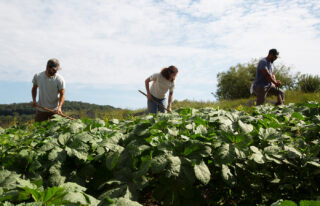
The farm features several regions, including a section for field crops covered year-round with various root veggies, corn, beans, and squash. Cover crops help rebuild the soil, and the fields return to perennial pasture for grazing on a ten-year cycle. Doing so increases the soil structure and microbial diversity, leading to higher fertility and fewer farm inputs or mechanical interventions. Growing crops on such a large scale requires tractor-based tools, but all machinery is used carefully to minimize fossil fuels, tillage, and soil compaction. Crop rotation and mulches with shallow cultivation also help keep the precious soil structure intact.
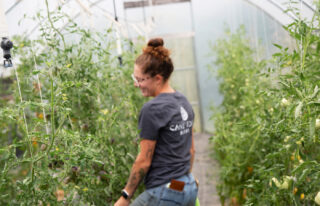
The farm’s market garden is nestled in a food forest containing fruit trees, berries, shrubs, flowers, perennial herbs, and water features. Birds, insects, and amphibians call this section of the farm home and help with natural pest control. Seasonal produce grows closely together following bio-intensive growing methods to allow for the efficient use of space and to form a canopy that protects the soil from erosion, weeds, and water evaporation. All the market garden crops are tended to and harvested by hand, and homemade compost maintains a vibrant microbial ecology. Several high tunnels allow for year-round food production, creating a more resilient local food system.
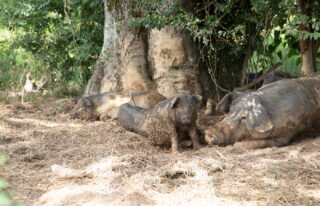
The agroforestry section of the farm integrates trees to create a multi-level ecosystem and shade for the animals and plants while helping with nutrient cycling. Hedgerows and forested property lines are home to wildlife, prevent erosion and flooding, and create microclimates. Finally, a large grassland area allows for planned rotational grazing so the farm’s livestock eats and lives well without depleting the land.
The team at Caney Fork Farms puts its heart and soul into loving and caring for the animals it raises and the plants it grows. The result is delicious and nutritious food that all of Tennessee can be proud of. Furthermore, the farm works with scientists nationwide to research and implement innovative farming techniques leading to strong regional food systems so more people can benefit.
Regenerative, organic farming is proving productive and beneficial for the growers, community, and environment at Caney Fork Farms.

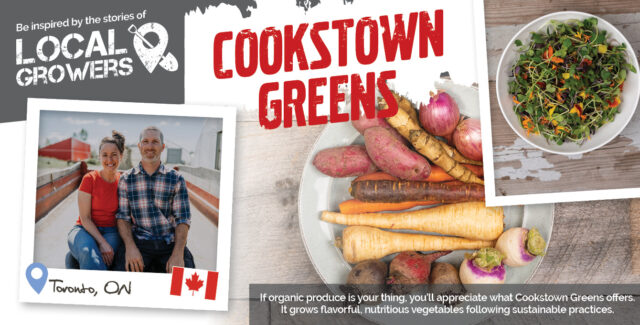
If organic produce is your thing, you’ll appreciate what Cookstown Greens offers. It grows flavorful, nutritious vegetables following sustainable practices.
We’re all about saving water in and out of the garden! From drip irrigation to ollas and hugelkulture, here are some ways to make the most of watering plants.

To our benefit, Everest Fernandez is pretty open about past growing mistakes. Here, he warns against forgetting to test runoff solution in soilless substrates.

Build a home mushroom laboratory with this DIY guide by Alex Field, using the still-air-box method for a clean and functional workspace.

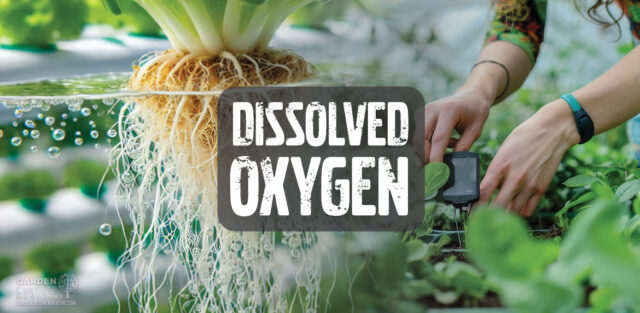
What’s dissolved oxygen? Everest Fernandez explains that understanding DO is vital for optimizing plant health in your grow room.
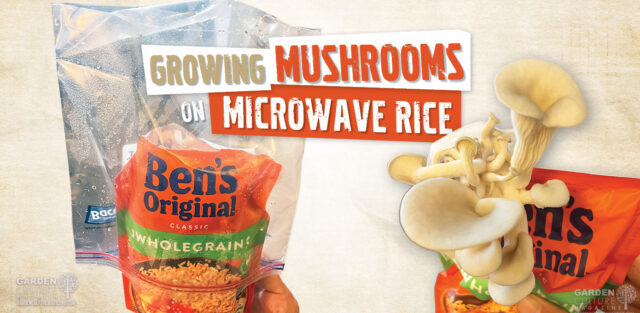
Growing mushrooms at home doesn’t have to be high-tech and complex. Alex Field tells us it can be done using microwave rice, a grocery staple!
It’s an old-fashioned way to preserve food, but the canning comeback is real. Catherine Sherriffs writes about her first canning adventure and why she’s hooked.

Gardening in dry climates presents a wide range of challenges, with watering being one of the biggest. Anne Gibson shares her top irrigation techniques.

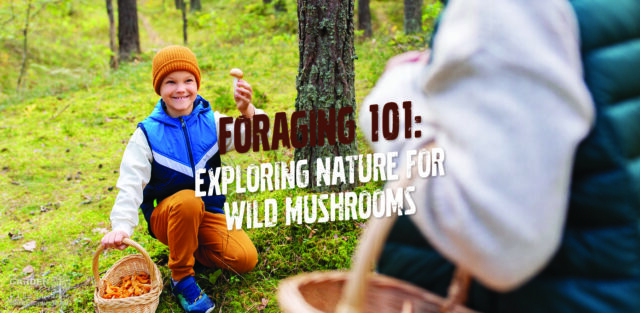
From legit mycologists to people who are just passionate about mushrooms, foraging for wild food is a fun and rewarding experience. Just ask Xavi Kief.
As sea levels rise, saltwater is ruining coastal farmland. Discover the "salty" solutions farmers and Clemson University researchers are using