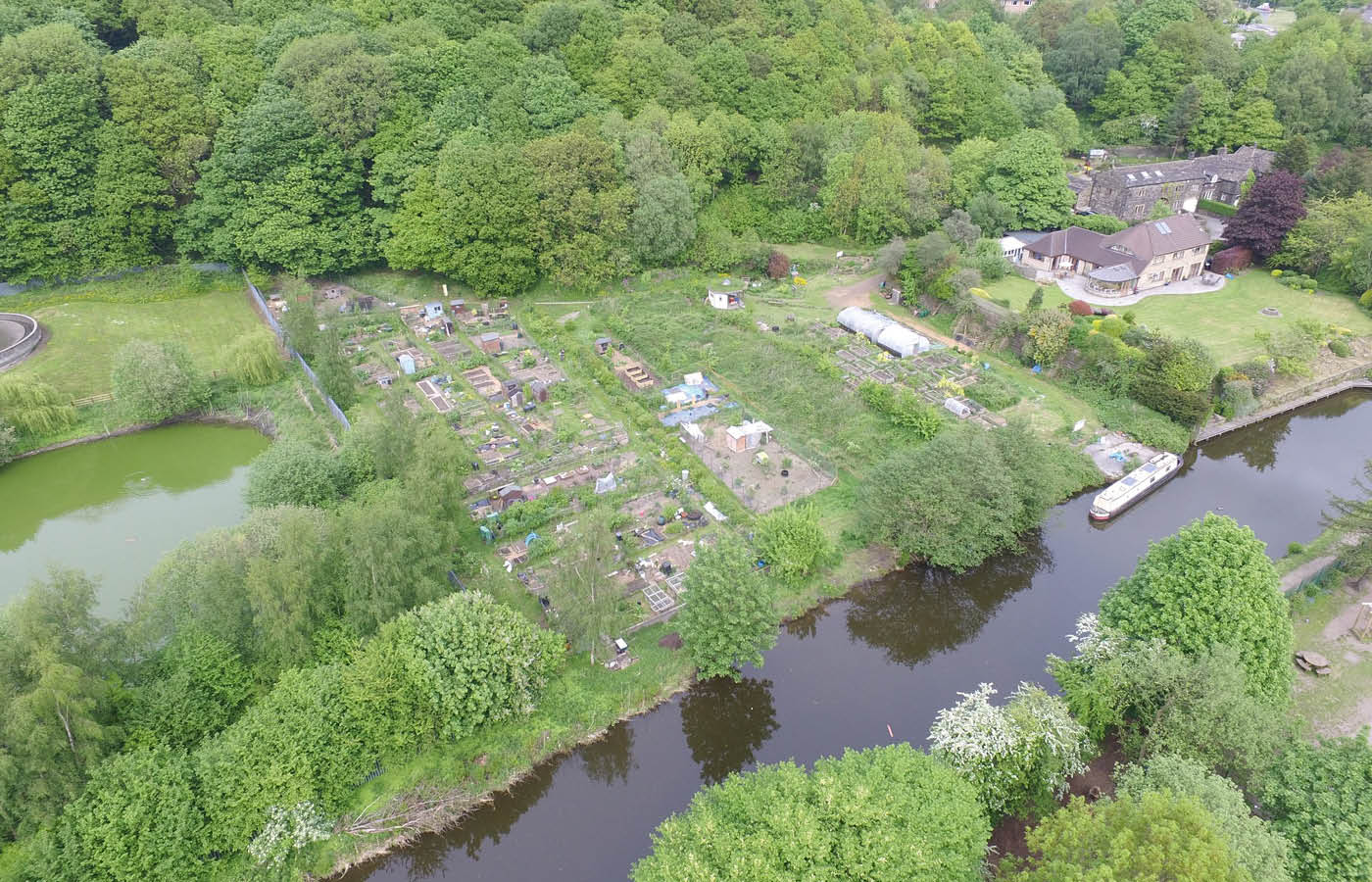
Redacre Growing Project is an allotment cooperative focused on community and biodiversity and growing crops. There are individual plots and polytunnel spaces for members, raised beds rented to new growers, a bee and chicken group, a roundhouse and a wood-fired pizza oven. The land was developed a decade ago from a derelict landfill site to provide space for locals to grow their produce but evolved to be a place of rich biodiversity since pesticides and synthetic fertilisers are banned. There are several types of fruit trees, a medicinal herb garden, a wildflower meadow and a pond surrounded by various trees and a canal with a mooring. The area provides a home for pollinators, preserving the diversity of the local insect and birdlife, a plethora of bat species, foxes and even re-homed hedgehogs. Almost everything on-site has been reclaimed, reused, repurposed or built by the members. In 2020, they replaced rotten raised beds with new ones made from recycled plastic to last for years and help many generations of growers get their hands in the soil. The community meets regularly for workdays, always combined with food to share, a fire, and often music and singing. From Wassailing to spooky storytelling events, all people are welcome to join and enjoy this special spot in all seasons.
Irene Triffitt grew up in the Philippines where her father grew the food for her family in his garden. Now in the UK, Irene is repeating history.
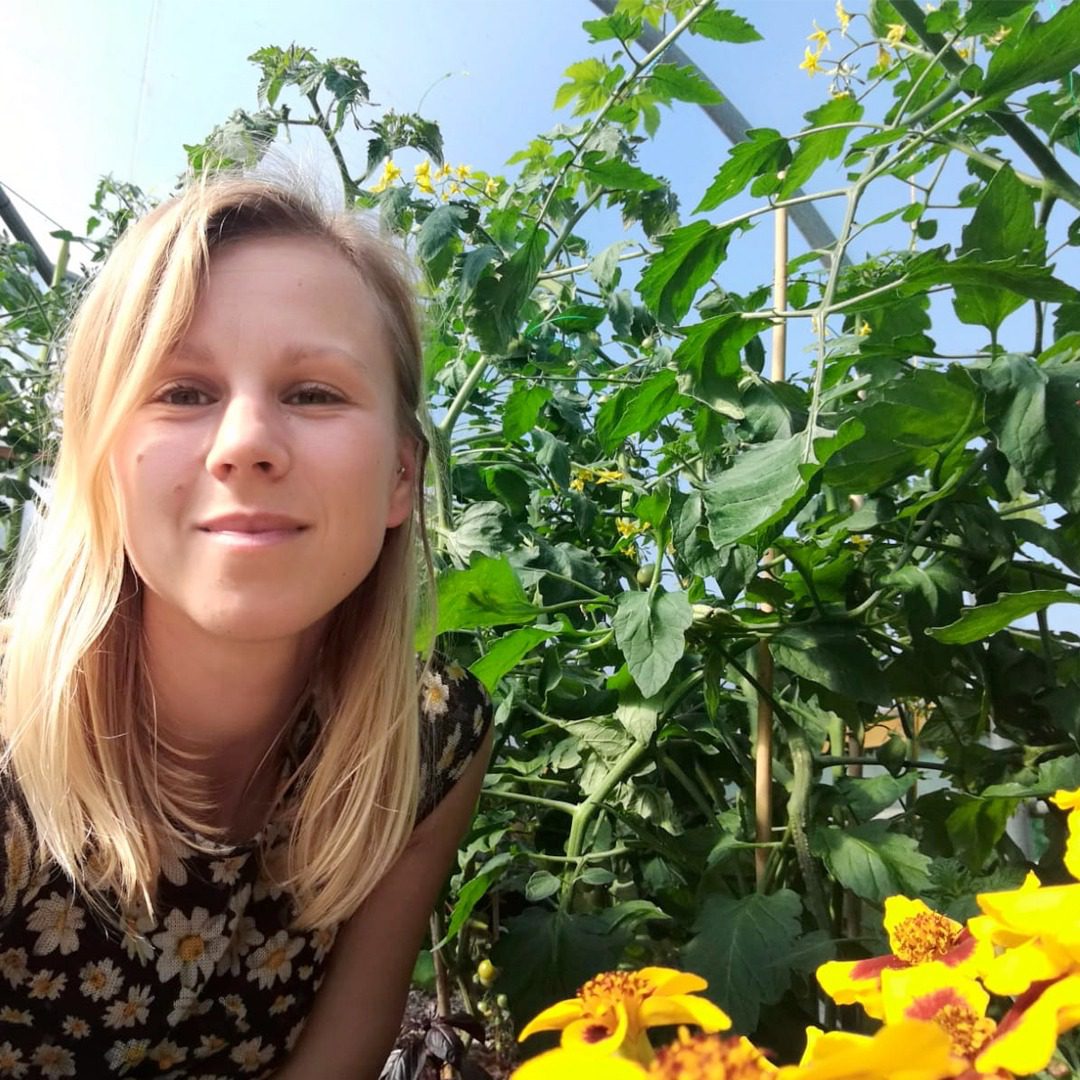
From figs to tomatoes, Wesley Burton loves growing delicious and nutritious fruits on his allotment and inside the controlled environment of his polytunnel.
Pennine weather patterns can be wild, but you can’t beat the gorgeous scenery at Mount Pleasant Farm! This permaculture smallholding has much to offer.
Community and biodiversity blossom at the Redacre Growing Project, an allotment cooperative dedicated to growing with nature in mind.
You can definitely achieve big yields in small spaces! There are several things you can do to boost productivity in the grow room. Get started with our guide.
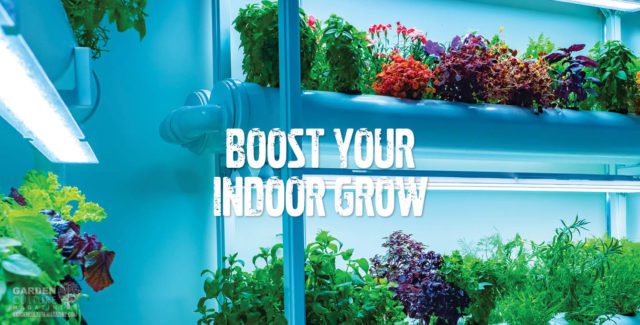
Urban food gardeners, rejoice! You can still grow your own food in small spaces. Anne Gibson offers tips and tricks for squeezing plants into tight areas.
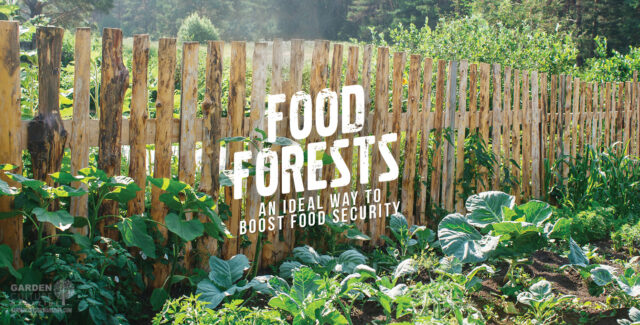
It’s small-scale food production following permaculture practices and can be done almost anywhere. Jennifer Cole explains the many benefits of food forests.
| Cookie | Duration | Description |
|---|---|---|
| cookielawinfo-checkbox-analytics | 11 months | This cookie is set by GDPR Cookie Consent plugin. The cookie is used to store the user consent for the cookies in the category "Analytics". |
| cookielawinfo-checkbox-functional | 11 months | The cookie is set by GDPR cookie consent to record the user consent for the cookies in the category "Functional". |
| cookielawinfo-checkbox-necessary | 11 months | This cookie is set by GDPR Cookie Consent plugin. The cookies is used to store the user consent for the cookies in the category "Necessary". |
| cookielawinfo-checkbox-others | 11 months | This cookie is set by GDPR Cookie Consent plugin. The cookie is used to store the user consent for the cookies in the category "Other. |
| cookielawinfo-checkbox-performance | 11 months | This cookie is set by GDPR Cookie Consent plugin. The cookie is used to store the user consent for the cookies in the category "Performance". |
| viewed_cookie_policy | 11 months | The cookie is set by the GDPR Cookie Consent plugin and is used to store whether or not user has consented to the use of cookies. It does not store any personal data. |