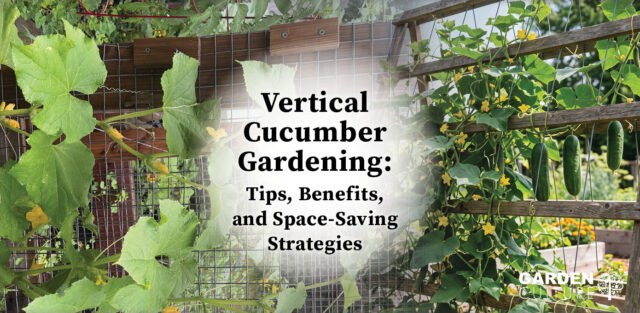
Cucumbers grow vines rapidly, and if not propped up, they can easily fill up a garden area. One week, all looks well, and the next, the vines are spreading all over the place, covering pathways, suffocating neighboring plants, and making it difficult to locate the fruits once they’re ready for harvest. That’s precisely why I recommend growing cucumbers vertically, particularly when you’re working with small spaces such as a balcony, a small garden, or a raised bed.
With this method, you don’t let the vines crawl on the garden floor. Instead, you lift them upward using either a pole, a netting trellis, or anything considered steady enough to support the vines. This method saves space, tidies the garden, and largely makes the entire growing process easier and more feasible. This method also allows for easy airflow between cucumbers, and since they don’t touch the ground, they grow healthier.
The good news is that once you get the concepts right, cucumbers are eager climbers!

Set Up a Firm Support Early
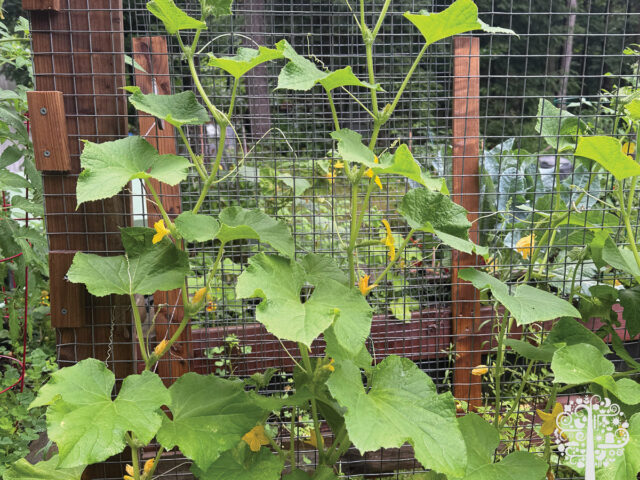
There are various things you can use to support your plants. You may use bamboo poles, wire mesh, or garden netting, or even tie strings vertically, as long as they are strong enough for the plants to climb. Once the plants start growing, minimize movement as much as possible to reduce plant stress and the risk of root damage.
Cucumbers ordinarily grow vines that hold onto nearby objects. Once they have a secure grip, they spread out easily. At the beginning, you may need to direct them gently, but after that they are good to go.
Space the Plants Adequately
Overcrowding can affect the health of your plants. Growing more plants to produce more fruits in tiny spaces may look ideal, but vines spread well and grow stronger in well-ventilated spaces. Similarly, diseases rarely break out when plants are adequately spaced, and if they do, the chances of spreading are significantly lower. When the plants are young, I usually guide them gently towards their support and tie them loosely so I don’t harm them.
Cucumber Watering Needs
Cucumbers don’t like too much water, but they’re also not okay in drought conditions. For best results, hydrate them steadily. Drying out the soil, then overwatering it, usually causes cucumbers to grow weak and the fruit to turn bitter.
For best results, water the plants steadily and deeply. I always water at the base of the plant rather than spraying the leaves, because wet leaves are vulnerable to disease. Adding mulch to the soil is another way to conserve moisture. Mulch helps the soil retain moisture longer, especially during hot weather, and also prevents weeds from growing.
Give Cucumbers Important Nutrients
If you want a bumper harvest, feed your cucumbers heavily. An excellent base of compost goes a long way, and you can supplement with balanced fertilizer (fertilizer that contains nearly equal amounts of nitrogen, potassium, and phosphorus) during the growing season.
When the plant begins to flower, I usually cut back on nitrogen and add nutrients that support fruiting, such as phosphorus and potassium. Excessive nitrogen gives you many, beautiful leaves but very few cucumbers, which is disappointing after all the work.
Frequently Monitor Pests and Diseases
One benefit of vertical growing is that plants stay cleaner, get better airflow, and since they’re off the ground, there is less chance of fruit rotting. Letting the plants climb also reduces the likelihood of fungal diseases.
Even so, it’s helpful to monitor your plants frequently. If you aren’t careful, pests like aphids, spider mites, and cucumber beetles can show up quickly and destroy plants. Usually, if I see clear signs of disease, such as mildew, I pluck out affected leaves before they infect the healthy ones.
Why Vertical Gardening?
When you choose this growing technique, you enjoy many returns:
- Improved quality of the cucumbers
- Watering and harvesting become easy
- Optimal use of small space
- Plants are less susceptible to diseases and pests
- Cleaner fruits
Vertical gardening with cucumbers is enjoyable and fulfilling. With sturdy support, the right location, adequate spacing, steady watering, and regular monitoring of pests and diseases, you will enjoy a bumper harvest even in tiny spaces.