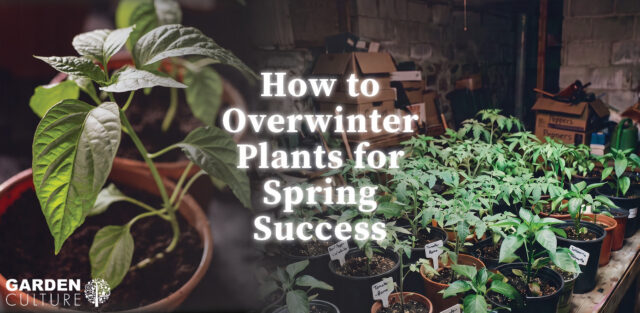
Overwinter Plants?!
Autumn. For many growers, this is the season when we harvest our crops and enjoy the fruits, vegetables, and flowers of our labor. While it’s a great time to celebrate the hard work we’ve put in, it’s an even better opportunity to set ourselves up for success in spring by overwintering our plants. For my new grower friends, overwintering is basically a process of protecting your plants from winter conditions. In this article, I’ll discuss the benefits of overwintering and how it gives a jumpstart to your garden come spring.
Benefits of Overwintering
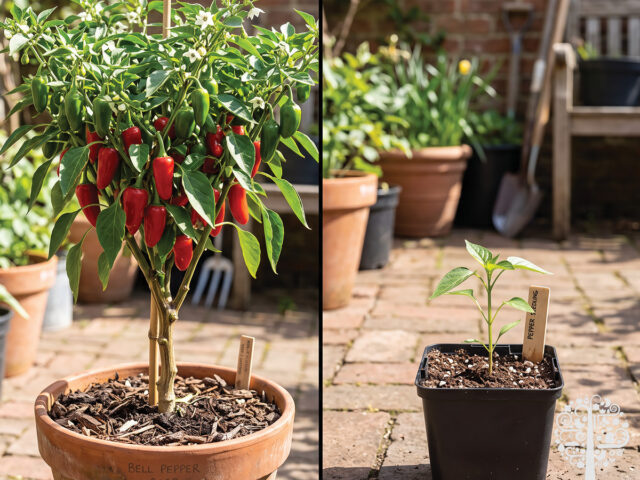
The benefits of overwintering are numerous! The first would be preservation of a specific plant or plants. When plants are grown from seeds, genetic variations (phenotypes) can and will occur. Overwintering specific plants ensures you keep the exact plant(s) you fell in love with and enjoy growing. Some might ask why not take clones? You can, but a preserved plant has an established root system, and once the plant breaks its dormancy, it will grow foliage and fruit sites much faster than a young clone would. These plants tend to have a higher yield as well because overwintered plants don’t spend the early spring months growing from a seedling or clone. This gets you a more mature, bushier plant in a much shorter period.
Another reason to overwinter is cost savings and reduced resource use. Let’s say you have that one ornamental all your neighbors talk about or the best pepper-producing plant this side of Salsa Town – wouldn’t you want to hang on to those gems for as long as possible? I know I would. Overwintering is a great way to preserve unique traits. These plants can be kept alive for years, saving you from buying new seeds, starter plants, and starting supplies. It also saves time tending to little seedlings or cuttings. Time and money – you’re saving both when overwintering.
How to Overwinter Plants
So how do you overwinter plants? Well, there’s a plethora of information on YouTube and the internet on how to set up your space, prepare the plants, and how to tend to them throughout the winter months depending on what you’re overwintering.
Here are some of the basics that will work for most vegetable plants. Fun Fact… you can make almost any annual become a perennial by tricking it into dormancy after you harvest. Crazy, I know. But I do it every year with my peppers, eggplants, and tomatoes.
The most important thing to know is the hardiness of the plants you want to keep. The less hardy they are, the sooner they need to be brought in and prepared for their winter ‘hibernation’. I check the weather reports daily to make sure I get my tomatoes, peppers, and less hardy plants harvested and in before the first frost, as it will kill them if they’re not properly covered. I start checking the weather when the evenings dip below 10°C.
I tend to bring in the more hardy plants after the first frost. The plants are inspected and treated for bugs (if necessary), stripped of any dead or dying leaves, and cut back by 75%, leaving several shoots for future spring growth.
Put the plants in a cool room (a basement, garage, or crawlspace works well) where the temperature is around 5°C-15°C and the humidity is set to around 50-55%. Make sure to keep the pots off the floor while overwintering. You don’t want to let the root zone get too cold. Pallets work great for elevating them off the cold surface.
A 100W bulb will suffice for every four plants, with the light cycle set to 14 hours on and 10 hours off. This will put the plants into a dormant state.
Because the plants are going dormant, they won’t be drinking nearly as much water as they were. A weekly check will do; the goal is to avoid letting the soil or medium completely dry out while also avoiding being too moist. The best method is to not water until the top inch or two is dry. This prevents root rot.
There is no need to add any fertilizer at this time, as it won’t be needed until spring. Again, remember to check the plants weekly to see if any changes to the environment are needed, look for pests, and check whether watering is needed.

That’s all there is to it. Now you can overwinter plants, including your favorite hot peppers!
So, if you want a head start in the spring, saving time and money while getting better yields with selected, established plants, overwintering is your best bet. Always research what’s best for the plant(s) you want to overwinter and enjoy learning about how you can keep a plant producing for years – even if it’s an annual.
I hope you all have a bountiful harvest and enjoy the beauty that is autumn.
Happy growing, everyone!