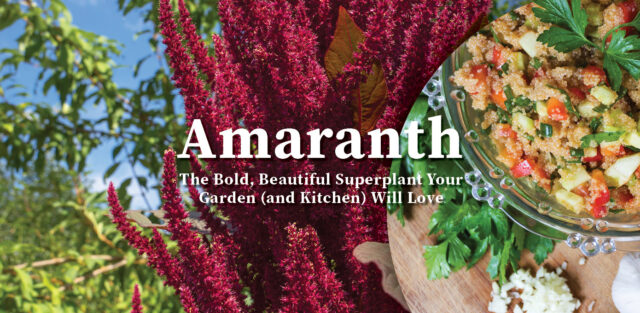
Edible and dramatic, amaranth is versatile and easy to grow in the home garden.
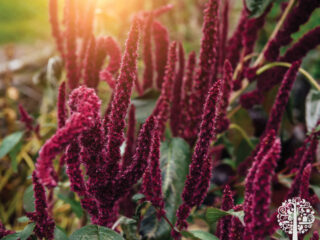
Amaranth makes a statement in the edimental garden! It grows 6 to 8 feet tall and has panicle flower heads measuring 2 feet in shades of burgundy, salmon, or soft pink. This landscape annual is a beacon for pollinators, but it offers much more than just striking beauty. Amaranth is often referred to as an ancient grain because it was grown and harvested by the Aztec and Inca civilizations in South America. Ironically, despite the flower head producing edible seeds, amaranth is not a grain at all; instead, it’s related to spinach and Swiss Chard, with edible leaves that have a nutty, sweet flavor.
How To Grow Amaranth
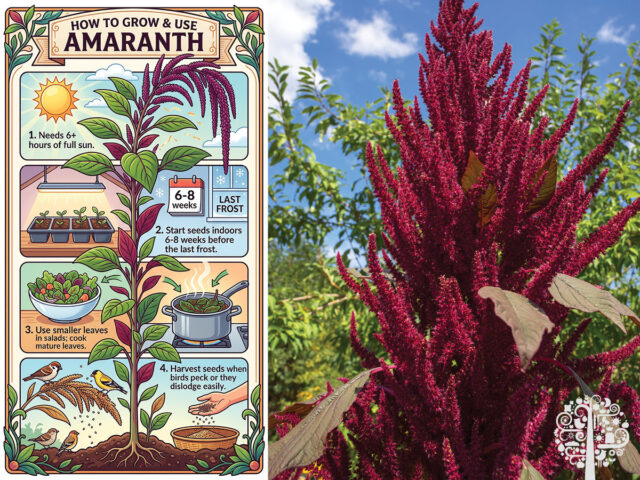
Amaranth is a self-seeding annual that needs at least six hours of full sun a day. It prefers well-draining, slightly acidic soil, so planting near azaleas or hydrangeas makes it happy. Amaranth is easy to grow from seeds, but it can also be bought in the spring as a plant start from most garden centers. Just make sure to buy an edible variety. Take note that amaranth is not usually sold in the vegetable section but typically as a landscape plant.
To grow it from seed, start the plant indoors 6-8 weeks before the last frost or direct seed outside once the danger has passed. If temperatures remain steady at 65-80°F (18-26°C), seeds will typically germinate within a week. Transplant into the garden when the seedlings are at least 4-6 inches tall. If planted directly in the ground, thin the seedlings so the plants are at least 6-18 inches apart with 18 inches between rows.
Amaranth requires little upkeep but appreciates a good watering and consistently moist soil. Unfortunately, it can attract aphids. To get rid of the unwanted pest, use a strong blast of water to wash the infected area and remove the top layer of soil around the plant where the aphid larvae are found.
How To Harvest Amaranth
If you’re hoping to harvest the plant’s seeds (grains), let it flower first. When birds begin to peck at the plants or when seeds easily dislodge from their clusters with a gentle rub—it’s time to harvest. Bend the seed heads over a large bucket and snip them off. To clean the seeds, use a fan to blow off excess debris and then spread them on screens or trays to dry. They are perfectly dry when they crumble in your hand.
How To Use Amaranth in the Kitchen
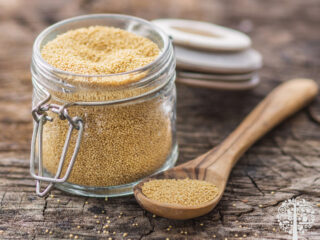
Amaranth leaves and seeds are edible. For a fresh addition to salads, pluck the smaller, softer leaves. The more mature leaves are slightly bitter but are still edible, especially when cooked into stir-fries or curries. The seeds are nutty and perfect for sprinkling on top of any salad or dish, and if used regularly, improve the body’s conditioning by activating the metabolism and stimulating regenerative processes.
Amaranth Varieties
Different species of amaranth will produce different flavors; more popular varieties include:
- Burgundy: Grows six feet tall, but can also be grown as a microgreen in a pot on a kitchen countertop. It has a subtle sweet flavor.
- Plainsman: Grows 5-6 feet tall. It’s popular if your goal is to harvest the grain.
Opopeo: Easy to grow, taking 65 days to flower and 125 days to produce seed.