Harvest is one of our favorite times in the garden! After many months of work and TLC, it’s finally time to enjoy our homegrown food, medicine, and flowers you’ve nurtured all season. But autumn isn’t just about reaping the rewards. As the days grow shorter and the temperatures cool, it’s an excellent time to reflect and celebrate what worked, preserve the bounty of the current harvest, and prepare the garden for next year’s success. And you thought you were done? Far from it! Here are 5 Cool Ways to Plan, Preserve, and Prepare for Next Season This Fall.
1. Conduct a ‘Garden Review’ Before Winter
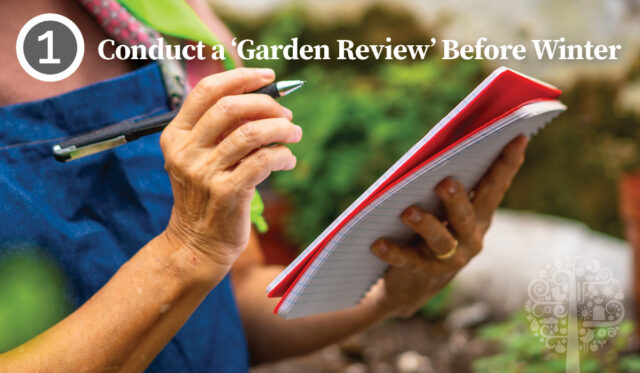
As the garden winds down for another season, grab a notebook and write things down while your thoughts and produce are still fresh! Consider it a wish list for future gardens. Did you grow multiple varieties of a certain crop? Which tasted best? Invite friends and family over for a harvest tasting to help you determine which plants were worth the space and time as you plan your next garden. Compare yields between varieties, especially if you have a short growing season or rely on your harvest for long-term storage. Jot down whether the garden was overcome with pests and diseases or if there were specific crops that were more resistant; you’ll want to grow the latter again next year. Finally, take note of which plants preserved well and how you did it. You say you won’t forget, but trust us, you will.
2. Save Seeds and Organize Stock
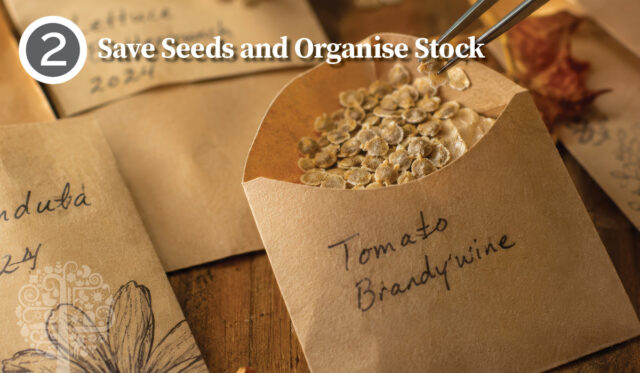
Some plant varieties do better than others; when you fall in love with one, preserve those genetics and save the seeds for future grows. This is an essential homesteading skill that not only helps you preserve specific traits from your best plants but also allows you to become more independent in case of another seed shortage (remember 2021?). You won’t have to buy new seed packets in future growing seasons either! Research how to save the seeds of your chosen crops so they’re viable in the spring. Properly label them; it’s no fun looking forward to a bumper crop of spaghetti squash and getting Pattypan instead. Finally, setting up a seed library in the right conditions is an absolute must. Although many seeds have an expiry date, they can last for years when properly stored.
3. Prepare Garden Beds for a Long Winter’s Nap
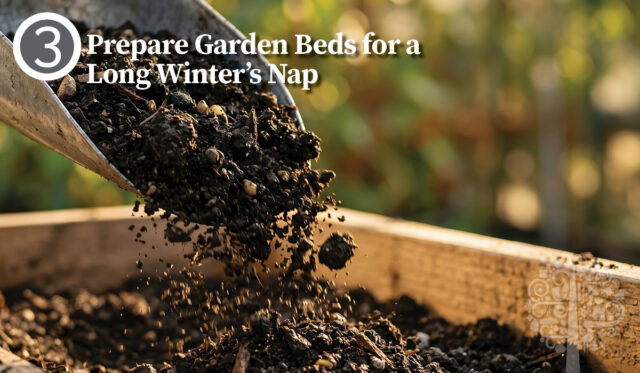
You nurtured your food, medicine, and flowers all the way to harvest, but the real work doesn’t end now. In fact, some might say it’s only just beginning (yikes!). What you do in the fall significantly impacts your success in the spring and summer. After harvest, testing soil fertility is a good idea; apply slow-release mineral amendments based on the results. A thriving soil biology will help future crops produce and protect them from pest and disease pressure. Regenerative growing practices build resilience, so plant cover crops in the fall to provide extra nutrients and prevent erosion. Add a thick layer of compost, and perhaps some fermented plant extracts to feed the microbiology. Cover garden beds with shredded leaves, which make for a great mulch and also help feed the soil. Don’t forget to plant garlic in the fall for some scapes in the spring and a timely harvest!
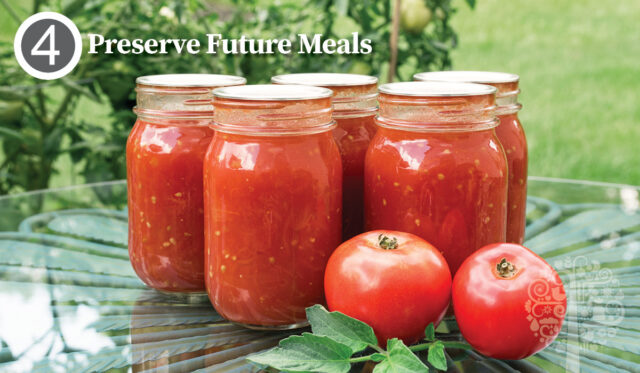
4. Preserve Future Meals
Blanching, peeling, and simmering tomatoes for hours before canning dozens of jars may not seem like the most perfect way to spend a weekend (or maybe it does?), but you sure will appreciate it while enjoying homemade sauce throughout the winter! There is something satisfying about preserving a harvest and becoming a little more self-sufficient. Why not learn a new preservation technique this fall? Try freezing fresh herbs in oil cubes or turning all that basil into several meals’ worth of pesto. Ferment surplus vegetables for gut-friendly snacks and make dried soup mixes. Blanch and freeze greens, corn, and other surplus vegetables. If preserving food becomes a regular part of your harvest routine, consider investing in equipment such as a pressure canner or, for larger harvests, a freeze-dryer. The world of food preservation is exciting, and many options for long-term storage exist; make sure your chosen method is well researched for your safety.
5. Plan and Prepare Now, Preserve Your Sanity Later
As the cool weather approaches, sometimes it’s nice to put the beds to sleep and hunker down inside. But putting some effort into planning and preparing your next garden now will lead to a less chaotic start in the spring. Map out the future garden space; do you want to expand your composting system or build new beds? Getting the grunt work done now means you’ll be ready to get growing sooner. Empty and store rain barrels and irrigation hoses; any leftover water will freeze and likely damage the equipment. Wash pots, seed-starting trays, and garden tools (sharpen if needed), and store them where they’ll be easy to find when warmer temperatures arrive. Finally, plant, divide, and label perennials now for a lovely pollinator haven next year. A little planning and preparation now means less scrambling in the spring—and more time to enjoy the season when the garden wakes up again.