Gardening Budget – Where You CAN Save
Gardening can be expensive, but these “insider” tips can help you save money.
If you’ve ever left the garden center with way more plants than you planned to buy and a lot less money than you had going in, you’re not alone. I used to do it all the time until I learned the secrets to saving cash when shopping for plants.
I admit, there’s something about the allure of getting that one extra hydrangea or just one more unique variety of tomato plant. So, how do I keep costs in check? Truth be told – sometimes I don’t, but there are a few tricks that I have learned along the way that do help stretch my dollars a little bit further.
Look for Discounted Plants
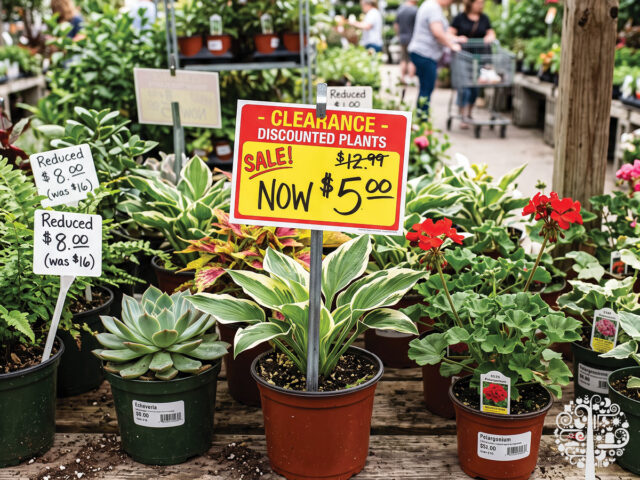
Most garden centers have a space dedicated to end-of-season plants that haven’t sold or are deeply discounted. This is the first place I check in the greenhouse. As long as you are not picky about the condition of the plant and can see good roots coming out of the pot, you can get some great deals. Just this past week, I picked up a spring-blooming clematis that was past its best-before date for $2.99 (originally $24.99). There is nothing wrong with it, other than the fact that it is over for the season. Gardening is about thinking ahead one or two seasons, and this is a perfect plant for next spring.
Good Things Come in Small Packages
Where garden centers make lots of money is with the glamorous large pots of blooming perennials, vegetables, or annuals. These plants have been grown in nurseries specifically to look enticing to customers. Ignore them and go for the smaller 4-inch starter pots of perennials or annuals. Plants grow quickly, and they cost much less when you buy them smaller, which helps you stretch your gardening budget.
BOGO Plants
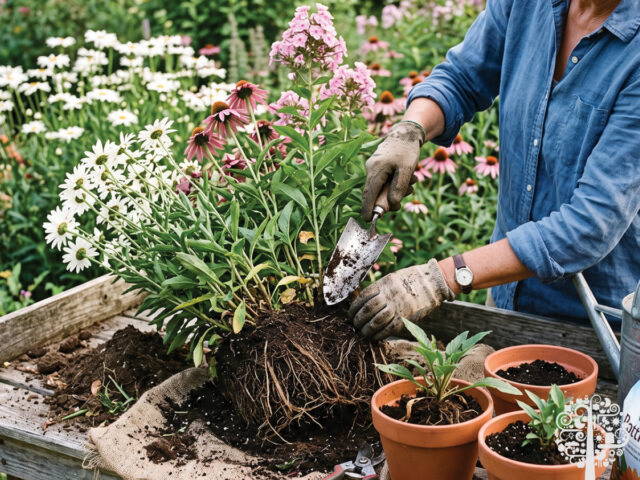
If it’s impossible to overlook the larger plants, this trick will get you two or three plants for the price of one. Often, the large pots of perennials contain one or two plants and can be easily divided. Once you get the plant home, break it up into two or three smaller plants. This works especially well with perennials such as Shasta daisies, echinacea, and phlox. Many pre-made hanging baskets are far too crowded and can be split, and the same goes for already-made herb boxes.
Select Perennials Over Annuals
Perennials are always the best investment, as they come back year after year. Annuals are great color, but at the end of the season, as the first frost hits, they die and end up in the compost – along with the money you invested in them. Many perennials come in gorgeous colors, so don’t shy away from them!
Build Relationships With Your Plant Provider
Get to know the staff at your local garden center. I have built a relationship with the manager at mine, and this has gotten me great deals. For example, in talking about my wildflower garden, I mentioned my undying love of lupins. She said an order had come in, but they were in bad shape – dried out and fading. They’d been priced at $20.00 a pot. Way too expensive, especially for plants on the verge of dying. The manager wanted to move the stock out, so she offered me two plants for 75% less than the cost of one. What a deal!! More plants well within the gardening budget!
I planted them, watered them thoroughly, added some compost to the soil, and they perked up. Sometimes with a deal like this, the plants don’t survive, but sometimes they do, and for that enormous discount, it’s worth the effort to try. If I hadn’t fostered a relationship with the staff, this deal would likely not have come my way. Many garden centers have ‘dying’ stock and want to move it out, even if it doesn’t make a profit. Ask, because you just never know!