Isn’t harvest time the most anticipated reward for growing an edible garden? Picking homegrown produce for meals, medicine, and herbal teas is one of life’s joys. These are a few techniques I use to extend the harvest, optimize yields, flavor, and nutrient value, and minimize waste.
Timing the Harvest
Maximize Nutrient Value – Harvest food as close to eating to reduce the loss of valuable nutrients. For example, snow peas lose 50% of their vitamin C within the first twelve hours after picking. Alternatively, blanch and snap-freeze surplus fresh produce immediately after harvesting to preserve the nutrients.
Harvest Early Morning – Leafy greens have the highest water content early in the day, before plants begin transpiring. A quick rinse after harvesting and storing in the fridge helps preserve nutrients. It may be more convenient to pick salad ingredients or leafy greens late in the day before making dinner, but this is when they are often heat-stressed and may be wilted.
Extend Storage – Harvesting root crops in the waning moon has helped me prolong their storage life, as they are less likely to rot. This is also an ideal moon phase to collect seeds for storage and drying.
Optimize Flavor and Medicinal Potency of Herbs – We don’t just pick flavor-packed herbs to improve the taste of our meals. They also have medicinal properties, and the harvesting time affects their therapeutic vitality. Maximize the nutrient value, phytochemicals, and essential oils when making remedies. Harvest herbs like basil, lemon balm, and mint before they flower, or snip the blooms off as they form if not saving seeds. If the goal is to dry herbs, the best time is just after the full moon. The sap is at its highest, but the plants’ energy and moisture are being drawn down into the roots, making it easier to dry the leaves.
Berries and Fruits – The best time to pick is when they are fully ripe, when natural sugars are highest, producing optimum flavor and nutrient value.
Flowers – The ideal time to pick flowers for maximum fragrance and phytochemicals is early morning when the dew has dried on the petals. With edible blooms like nasturtiums, dianthus, and cosmos, pick just before eating as garnishes in salads or baking to maximize flavor and nutritional value.
Seeds – Collect seeds for saving when they are fully mature, and the pods are crisp, brown and dry. This indicates they have the maximum nutrients for successful germination and the next generation of plants.
Regrowing Food Crops After Harvest
Many crops can be replanted for a second harvest. A few of the vegetables and fruits I regrow from plant material include:
- Leeks – Slice the stem at the base but leave the roots and about 1-2 cm of the stem in the soil. A new leek regrows much faster, so you get two for the price of one!
- Spring Onions – Leave these vegetables in the soil and snip the outer leaves from several plants, rotating around the garden. This allows each plant to photosynthesize and keep producing leaves for longer.
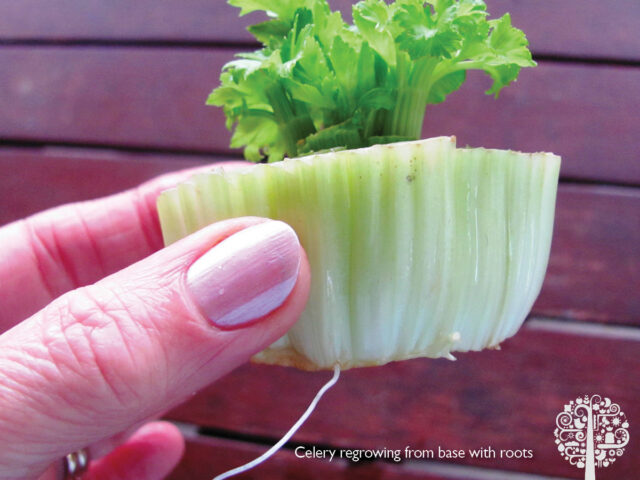
- Celery, Asian Greens and Lettuce – Regrow these leafy greens in two ways. Cut above the stalk base of these leafy greens and leave the roots in situ in the garden bed or pot. After liquid fertilizing, new leaves appear. Alternatively, add the base to a shallow plate with a bit of water, and then, once new roots and shoots have grown, transplant it to a pot or the garden.
Techniques to Optimize the Harvest
One way I maximize the value of each plant in my garden is by using different edible parts throughout its growth phase. This depends on the vegetable, fruit, or herb, but can include leaves, fruit, seeds, stems, immature seed pods, flowers, peels, bulbs, or roots. These are a few examples:
Root Crops
I use a cutlery fork to gently lever out root vegetables so I don’t damage delicate roots or flesh.
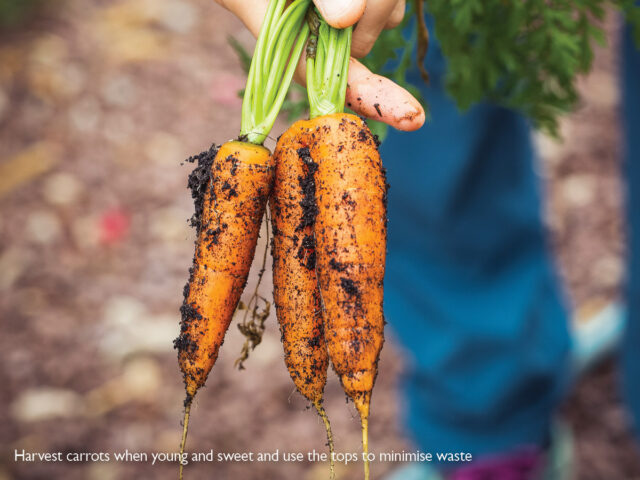
Carrots: When thinning seedlings, snip off the immature roots and add the young shoots to salads raw. After harvesting the mature carrot root, trim the leaves immediately to reduce moisture loss, then rinse the roots and use the tops in pesto, or chop and freeze them to make soup stock.
Radishes: These crunchy root crops offer so much more than just a peppery salad ingredient. Harvest young, tender leaves as salad greens while ensuring they receive enough sunlight to encourage healthy root development. The flowers are a delicious addition to salads, provided they don’t form seed heads. Radish plants produce a huge quantity of seeds on long stems with pods. The seeds are a great substitute for mustard seeds; add them to pickled vegetables, along with some of the young seed pods.
Beetroot: The young beet leaves are delicious and colorful additions to our salads. Chop up the pretty red or purple stems as a substitute for rainbow chard. Add them raw to salads or cook the stems in stir-fries and curries.
Sweet Potatoes: These grow year-round in my garden, and we dig up young tubers as needed. I use tender new leaves in curries, stir-fries, and salads, both cooked and raw.
Turmeric and Ginger: Instead of digging up the root ball in winter when the leaves and stems die back, leave it in the soil. Harvest immediately before cooking or making tea to preserve nutrients, flavor, and medicinal properties. Use a knife to slice off a knob, and let the ‘mother’ plant focus energy on next season’s harvest.
Beans and Peas: The pods, young leaves, and tendrils of sugar snap and snow peas are delicious raw or lightly cooked. When harvests are abundant, pick a few edible flowers for salads and sacrifice the future peas. Extend the harvest for these vegetables by sowing both dwarf/bush peas and beans, as well as climbers, simultaneously. The bush varieties flower quickly and produce pods for a quick harvest, while the pole beans or peas are still climbing their trellis.
Broccoli and Broccolini: Maximize these winter vegetables by harvesting the flower heads, side shoots, tender stems and young leaves. Save the mature seed pods for future seed sowing as microgreens during the warmer months when the main crop won’t grow outdoors.
Pumpkins: Pumpkins are ready to harvest when the stem closest to the fruit turns brown. Leave at least 8-10 cm of the stalk, wash and dry well, and then cure the pumpkins for long-term storage. As most gardeners know, pumpkins and squash self-sow easily from food scraps. Scrape out the fresh seeds and sow them in a clump to encourage pumpkin sprouts to germinate in one spot.
When they have their first two smooth leaves, snip the stems with scissors just above the soil and enjoy raw in salads like microgreens, or cook them in omelets, stir-fries, curries, soups, and casseroles. Alternatively, dry and season scraped-out seeds, then lightly toast them in the oven for a protein-rich snack. The pulp and stringy flesh go straight into soups.
Cucumbers, Zucchini and Squash: These fruiting crops are heavy producers. Cut the stems with a sharp knife before the zukes, cukes, or squash grow too large. Zucchinis can rapidly grow into marrows within days during the new moon phase, especially when soil moisture and sunlight are abundant. Harvest the male flowers to stuff with savory fillings or add them to salads or stir-fries. Leave the pollinated female blooms to finish fruiting.
Herbs: Harvest herb leaves throughout the season to encourage vegetative regrowth before flowers form.
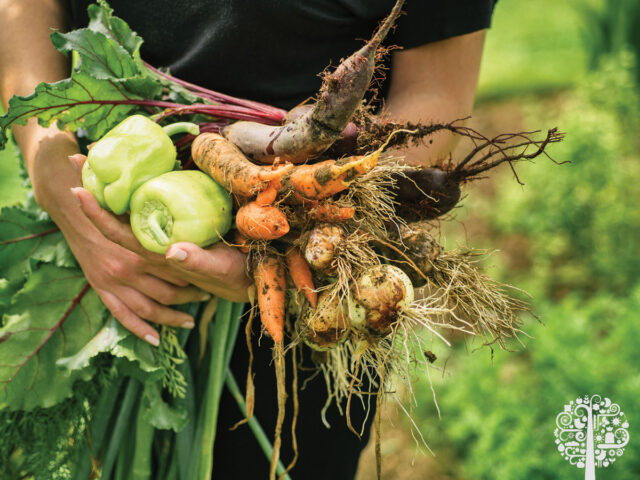
Harvesting Tips
Save Planting Space: Loose-leaf cut-and-come-again lettuce varieties can be planted up close. The outer, larger, mature leaves are harvested from several plants, one at a time, to make a salad.
Harvest Often: I’m out daily collecting fresh ingredients, even in small quantities, to stimulate the plant to produce new leaves, flowers, and pods.
Pick Small: I pick leafy greens when young and tender. Beetroot and carrots are best picked before they grow too big, as their texture becomes woody and they lose their sweetness. Beans and peas become tough when pods grow too thick and large.
These techniques have provided me with a bountiful harvest, and I hope they help you, too.