No garden season is without problems. In this article, Anne Gibson guides us through identifying common insect pests and the all-natural ways to eliminate them!
Every gardener encounters at least some problems each season. Sometimes, weather conditions contribute to insect pests in the garden, afflicting our plants. Other contributing factors include plant stress, soil conditions, management practices, species variety, and location. Problems may only be minor or for a short time and may not cause enough damage to warrant attention. However, if the pest numbers increase sufficiently to damage the functioning of a plant or your potential harvest, then the issue demands prompt action!
I play a daily ‘detective’ role, looking for ‘clues’ to identify potential problems before they get out of hand. It’s much easier to minimize damage from a few insect visitors than when numbers are in plague proportions. I examine the signs to accurately determine the cause before applying any remedy.
Why Are Insect Pests Bad For Your Garden?
An imbalance of pest insects can cause significant plant damage. A wide range of indicators flag specific insects as the perpetrators. Careful observation reveals that each ‘culprit’ usually leaves telltale ‘evidence’ at the ‘scene of the crime’ that helps identify their presence. Recognizing these calling cards takes time and practice, but it’s a skill worth learning. Let’s look at the symptoms or clues they leave and some chemical-free control strategies.
Plant Damage Signs and Solutions to Get Rid of Pests
Caterpillars
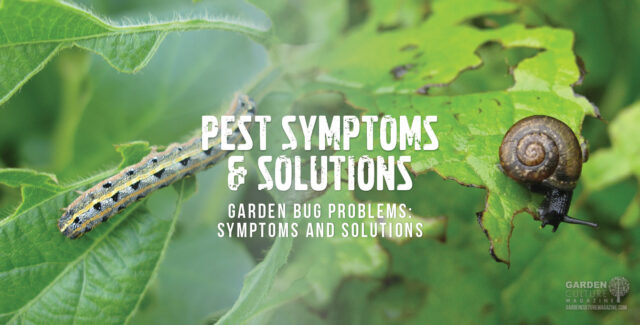
Chew holes in stems, leaves, flowers, buds, and fruit. Newly hatched caterpillars with small, hungry mouths leave tiny pin holes. They usually hide under the leaves before moving topside. As they grow, the damage increases. Holes are often round. Sometimes, a plant will be attacked by multiple caterpillars at once, with increasing destruction as they grow.
These are some of the effective control strategies for pests I use:
Hand-pick caterpillars or squash eggs on the underside of leaves.
Encourage insect-eating bird species as pest controllers. Add a bird bath and habitat.
Use molasses spray over the leaves.
Sprinkle diatomaceous earth directly onto cluster caterpillars. I avoid spreading it around to minimize collateral damage to beneficial insects like bees.
Cover garden beds or individual plants with netting. Use cloches, crop covers, or bags to prevent butterflies and moths from laying eggs.
Interplant with various strongly scented herbs and species with differently shaped leaves to disguise host plants.
Grow flowers as a nectar source to attract predatory insects like hoverflies and wasps that parasitize caterpillars. A chemical-free garden will entice other hungry predators like lacewings, dragonflies, and assassin bugs.
MOLASSES SPRAY
Mix 10ml of sulfur-free or blackstrap molasses into 500ml of warm water. Add 1 tsp of eco-friendly pure liquid soap or detergent to help the mixture stick to the leaves. Spray affected plants on both sides of the leaf and center on a non-rainy day when it’s cool. Molasses is a simple sugar high in nutrients and increases the sugar content on the leaf surface. This makes it undigestible to grasshoppers and caterpillars. Soap is a desiccant and can help break down the insect’s exoskeleton or the waxy coating so it dries out. Use the mixture within a day or two because it will start to ferment in your spray bottle, especially in warm weather. You don’t want an explosion!
Grasshoppers
Like caterpillars, these herbivores munch on leaves, but the uneven damage is on the edges and tips. Grasshoppers sit on the leaf even when young, so they’re easy to spot. As they grow, they can devour large sections of a leaf.
Remedies include:
Hand-pick early in the morning when they are more docile and easy to squish.
Leave spider webs in the garden. These insects are incredible predators and spin webs close to food sources. A web is often my first indicator of a pest insect problem.
Use molasses spray over the leaves.
Cover with exclusion netting, cloches for seedlings, and crop bags.
Snails and Slugs
Watch for irregular holes in all plant parts and slimy silvery trails. Seedlings may disappear overnight. These pests often hide in cool, dark, moist spots or under mulch, feed at night, and become active after rain.
Strategies to try:
Encourage lizards and birds by providing habitat.
Remove timber, weeds, dense growth, or piles of pots that offer daytime hiding places and breeding areas.
Set a trap, such as a damp hessian sack, a small piece of plastic, or wet cardboard. Traps like these attract slugs and snails to shelter beneath them. Lay them down in the early evening and check in the morning.
Avoid fertilizing plants with too much nitrogen; that makes them sappy and more attractive.
Try drip irrigation rather than sprinklers to reduce humidity and moist surfaces. This makes the habitat less favorable to snails and slugs.
Water early in the morning to allow maximum time for the plant foliage, soil, and mulch to dry out. Watering later in the day causes these surfaces to remain moist overnight.
Non-toxic copper tape is a barrier that repels these pests with an ‘electric’ shock-type reaction. It works wet or dry.
Protect vulnerable seedlings with cloches.
Aphids
These sap-sucking pests can become a massive problem in just a few days due to their ability to reproduce quickly. These pests need immediate attention.
Effective strategies include:
Hand squashing or hosing off with a sharp water spray for several consecutive days when numbers are small.
Apply food-grade diatomaceous earth directly to the affected leaves or plant parts. This fine powder, made of silica, desiccates aphid exoskeletons.
Use a portable hand vacuum to suck up the insects en masse.
Brush or shake aphids off the plant into a container of soapy water to drown.
Remove ants that may be present. They defend aphids against predatory insects and farm the honeydew produced as a thank-you gift in return for their protective services.
Scale
These sap-sucking pest insects stick to stems and plants, gradually reducing their vigor. Look for white, brown, or black bumps with a hard, soft, or waxy shell. Like aphids, they release honeydew that can cause black sooty mold to grow. This prevents photosynthesis, weakening plants and reducing growth.
Suggested strategies include:
Check plants regularly and remove individual scale insects when numbers are small. I slide my fingernails up the stem, and they easily pop off. An old toothbrush is also quite effective.
Give them a sharp spray with water for several days to remove them. Organic horticultural oil will remove any remaining scale.
Encourage natural enemies like spiders, ladybirds, lacewings and parasitic wasps to your garden.
Preventing Pest Problems
Pest insects like these can also be attracted to weak, nutrient-deficient plants lacking water or heat-stressed. These factors can be prevented by applying a few strategies.
Healthy soil. A balanced soil pH with good structure and texture will hold moisture and minerals. Adding organic matter like compost, minerals, and mulch helps add worms and microorganisms and gives plants the nutrients needed for strong growth and resilience against pest attacks.
Careful plant selection and location. Grow plants suited to your climate in the appropriate season. Cool-season vegetables often become heat-stressed in warmer months and become easy targets for pests. Choose a suitable location – sun or shade – that meets the needs of each plant.
Practice crop rotation for annuals. Avoid repeated plantings from the same plant family in the same garden bed. Related plants within some plant families, like Brassicaceae (cabbage family), are often susceptible to the same pests. Follow instead with plants from different plant families, e.g. Solanaceae or Apiaceae, as this helps break the life cycle of pest insects.
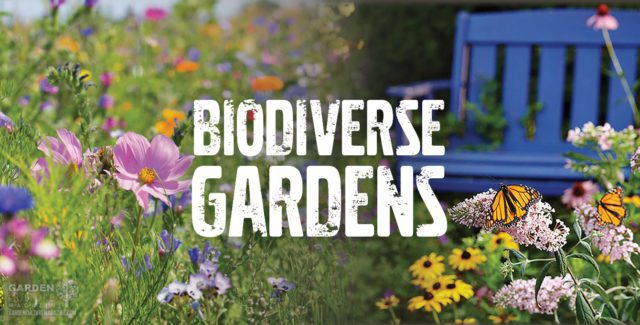
A biodiverse ecosystem. You can balance pests and prey by encouraging natural predators into your garden. I’ve found that planting various flowering species and providing water and diverse habitats attracts pest insect controllers like ladybirds, beetles, and dragonflies. A few messy spots with fallen leaves, rocks or pebbles, tree stumps, or bird nesting sites help attract an incredible species biodiversity.
Regular observation. Daily monitoring helps catch possible problems early.
Time planting to avoid pests. Understand pest life cycles and when they are most active. Sow plants during the most favorable season to minimize the potential attack.
By learning to identify common pest insects and applying some of these suggested strategies, you can reduce plant damage and enjoy a decent harvest.
Anne Gibson, The Micro Gardener, is a speaker, author and urban garden community educator on the Sunshine Coast, in Queensland, Australia. Anne is passionate about inspiring people to improve health and wellbeing, by growing nutrient-dense food gardens in creative containers and small spaces.
Anne regularly presents workshops, speaks at sustainable living events, coaches private clients and teaches community education classes about organic gardening and ways to live sustainably. She has authored several eBooks and gardening guides. Anne shares organic gardening tips and tutorials to save time, money and energy on her popular website.
Cookies are used on this website to give you the most relevant experience by remembering your preferences and repeat visits. By continuing to use this website, or by clicking Accept Cookies, you consent to the use of cookies on this website.
This website uses cookies to improve your experience while you navigate through the website. Out of these, the cookies that are categorized as necessary are stored on your browser as they are essential for the working of basic functionalities of the website. We also use third-party cookies that help us analyze and understand how you use this website. These cookies will be stored in your browser only with your consent. You also have the option to opt-out of these cookies. But opting out of some of these cookies may affect your browsing experience.
Necessary cookies are absolutely essential for the website to function properly. These cookies ensure basic functionalities and security features of the website, anonymously.
Cookie
Duration
Description
cookielawinfo-checkbox-analytics
11 months
This cookie is set by GDPR Cookie Consent plugin. The cookie is used to store the user consent for the cookies in the category "Analytics".
cookielawinfo-checkbox-functional
11 months
The cookie is set by GDPR cookie consent to record the user consent for the cookies in the category "Functional".
cookielawinfo-checkbox-necessary
11 months
This cookie is set by GDPR Cookie Consent plugin. The cookies is used to store the user consent for the cookies in the category "Necessary".
cookielawinfo-checkbox-others
11 months
This cookie is set by GDPR Cookie Consent plugin. The cookie is used to store the user consent for the cookies in the category "Other.
cookielawinfo-checkbox-performance
11 months
This cookie is set by GDPR Cookie Consent plugin. The cookie is used to store the user consent for the cookies in the category "Performance".
viewed_cookie_policy
11 months
The cookie is set by the GDPR Cookie Consent plugin and is used to store whether or not user has consented to the use of cookies. It does not store any personal data.
Functional cookies help to perform certain functionalities like sharing the content of the website on social media platforms, collect feedbacks, and other third-party features.
Performance cookies are used to understand and analyze the key performance indexes of the website which helps in delivering a better user experience for the visitors.
Analytical cookies are used to understand how visitors interact with the website. These cookies help provide information on metrics the number of visitors, bounce rate, traffic source, etc.
Advertisement cookies are used to provide visitors with relevant ads and marketing campaigns. These cookies track visitors across websites and collect information to provide customized ads.